






If you’ve followed Bali real estate over the last five years, you’ve seen everything: FOMO buying, off‑plan hype, “guaranteed” returns, and then a very quiet reality check. In 2026, the island hasn’t stopped being attractive; it’s just grown up a little. And that’s good news for people who care about real returns, real homes, and real lives; not just glossy brochures.
The End of “Easy Money”, And Why That’s Healthy
Agents and developers across Bali now say the same thing: the easy phase is over. You can still do well here, but you can’t close your eyes, throw money at any villa, and expect 15% forever.
Three things define 2026:
- Rational prices. Listings are closer to what the market will actually pay; fewer owners “test the market” with fantasy numbers.
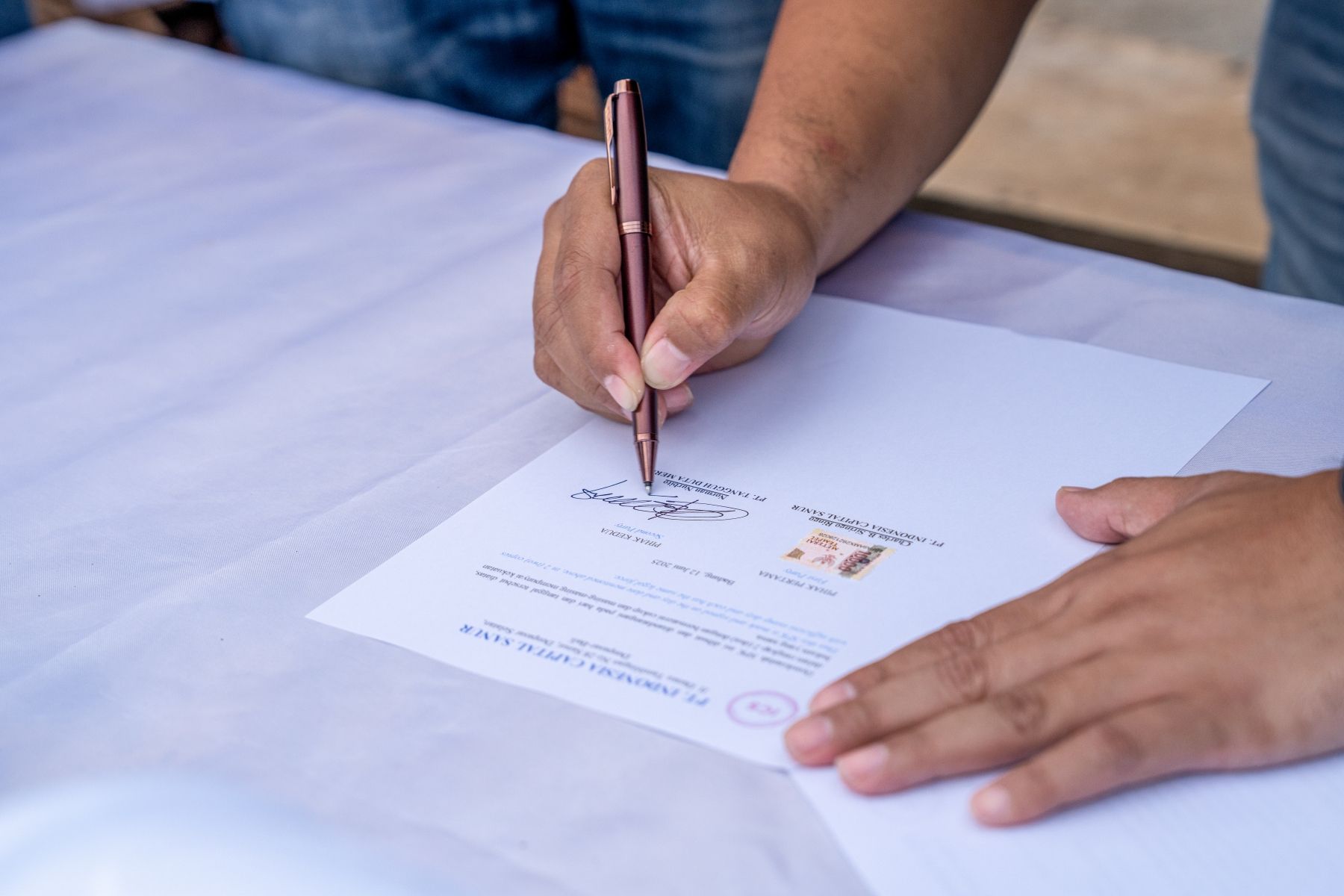
- Structured deals. Payment terms, staged construction, and performance‑based arrangements are normal instead of last‑minute exceptions.
- Long‑term logic. Buyers ask about five‑ and ten‑year scenarios, not just “How fast can I get my money back?”.
For serious buyers, this is a relief. A market that tells the truth is much easier to navigate than one built on inflated expectations.
Who’s Really Buying in Bali Now (And Why)
A useful shift in 2026 is not just how people buy, but who is buying. The caricature of “crypto kid buying a random villa” is fading; the buyer base is more grounded.
You mainly see four groups:
- Yield‑driven investors. Often from Europe, Australia, the Middle East and Asia, targeting 8-12% net returns from well‑run villas in Canggu, Bukit, Sanur and Ubud.
- Digital nomads and remote professionals. People who came “for six months” and stayed, now trading rent for ownership in liveable neighborhoods instead of pure tourist streets.
- Families and “second home” buyers. Looking for schools, hospitals, calm streets and community, Sanur, Ubud outskirts and parts of Canggu/Pererenan are high on their lists.
- Early long‑term land investors. Quietly buying into Pererenan edges, Tabanan, North Bali and Bukit pockets where infrastructure is coming but not fully priced in yet.
A study on buyer behaviour in Bali highlighted that it’s never purely numbers: rational factors like location, environment, and finances mix with emotional drivers like status, over‑confidence and the dream of “living differently”. In 2026, the balance is shifting a bit more toward the rational side, but the dream is still part of the decision.
Design, Not Just Location, Is Now a Dealbreaker
For years, “location, location, location” felt like the entire story. In 2026, location still matters most, but only if the product fits how people actually travel and live now.
Fresh data and field work point to several clear trends:
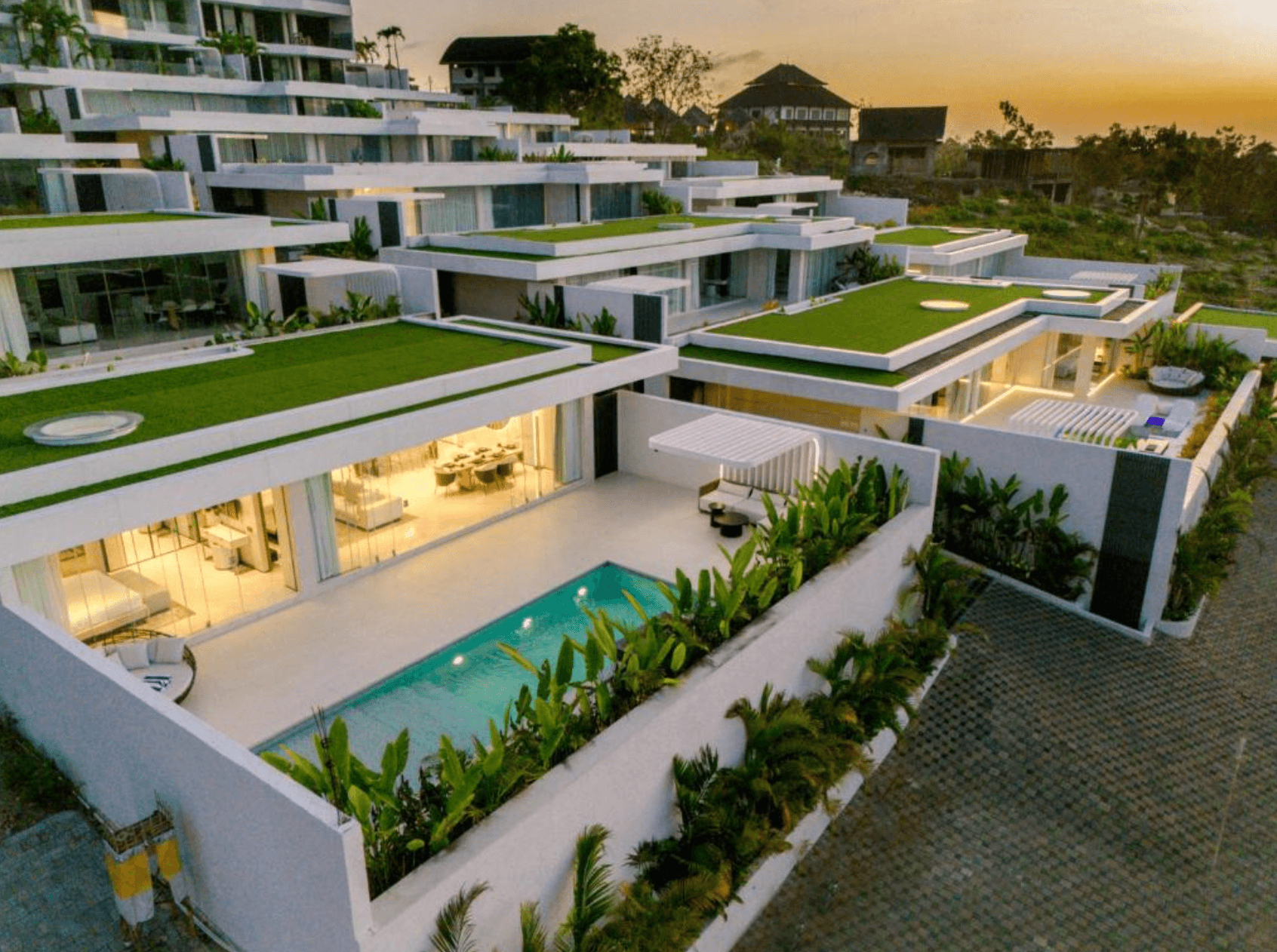
- Smaller groups, fewer bedrooms. Owners of big 5-6 bedroom villas are discovering that large groups are rarer; 1-3 bedroom villas with good design and privacy are winning on occupancy.
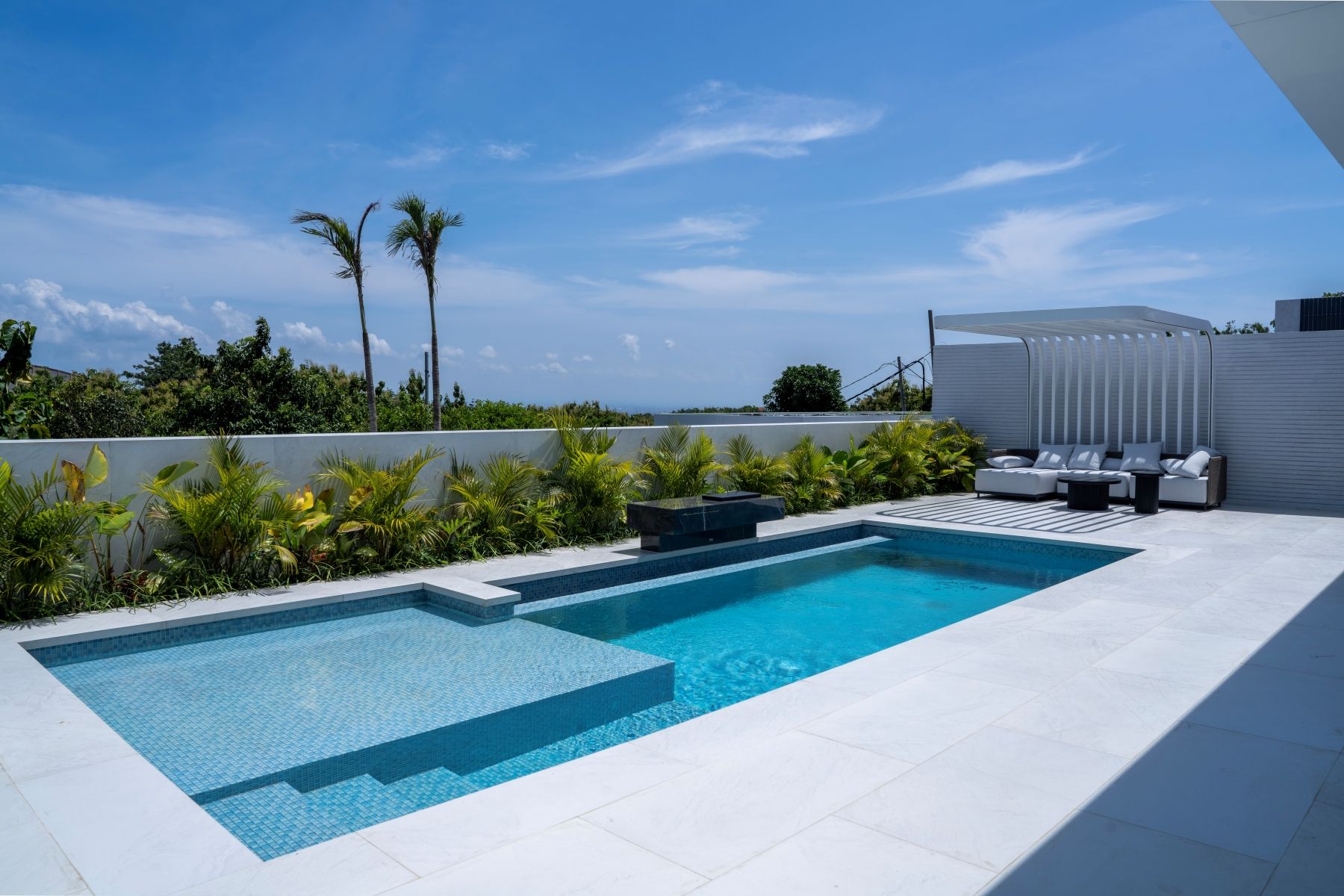
- Eco‑design as real luxury. Guests and buyers actively look for sustainable materials, natural light, ventilation, and “honest” architecture; eco‑minimalist designs outperform copy‑paste “Mediterranean white boxes”.
- Guest experience driving ranking. Reviews and ranking now beat raw location for performance: a well‑designed villa slightly off the main strip can out‑earn a mediocre villa right next to a hot beach.
One 2026 guide put it bluntly: “Ordinary or poorly constructed villas find few buyers these days.” That’s harsh if you own one, but incredibly useful if you’re still deciding what to buy or build.
A Maturing Market: Less Hype, More Care
Several independent analyses describe 2026 as the year Bali fully entered its “mature” phase. That doesn’t mean it’s boring. It means the island is finally rewarding people who think like adults.
What this maturity looks like in practice:
- Quality over volume. Construction has slowed in oversupplied areas, and serious developers are focusing on fewer, better projects.
- Sustainability as a pricing factor. Eco‑friendly villas and resorts are not a niche, they rent better and sell faster, and travelers pay more for them.
- “Harder is better.” One 2026 article even argued that buying property in Bali getting harder is a good thing: it filters out impulsive buyers and low‑quality projects, leaving more space for patient, thoughtful capital.
Underneath all the spreadsheets, there’s a simple human truth: Bali is valuable because people want to live, work, rest and raise families here. Markets built on that kind of demand tend to last.
If You’re Thinking of Buying in 2026, Start Here
You don’t need a PhD in finance to make a good decision in Bali this year; but you do need to slow down and ask better questions.
A few practical checks:
- “Would I actually want to stay here for a month?” If the honest answer is no, your guests might feel the same.
- “Does this product still make sense in 10 years?” Think about group sizes, work habits, family needs, climate and regulation trends.
- “Do I trust the people more than the pictures?” Developers, managers, agents and lawyers matter more than the renderings.
In 2026, Bali isn’t asking for speed from you. It’s asking for care. The people who respect that; who treat this as a place to understand, not just a yield to extract; are the ones the new market is quietly built for.
FAQs: Bali Real Estate 2026
Q1: Is it still a good idea to invest in Bali property in 2026?
Yes, if you’re selective. Market reports show Bali is in a healthier, more rational phase, with typical net returns around 8-12% in good locations and higher in certain niches, but only for well‑chosen, well‑managed properties.
Q2: Has Bali’s villa market become oversupplied?
Oversupply is visible in some segments, especially generic villas in parts of Canggu and Seminyak, but data and on‑the‑ground reports agree that well‑designed, highly rated villas in strong micro‑locations still perform very well.
Q3: What types of villas work best with today’s guests?
Current trends favour 1-3 bedroom villas, functional layouts, good privacy, strong Wi‑Fi, and eco‑influenced tropical design over large, ornate properties built for big groups.
Q4: Who are the main buyers of villas in Bali right now?
A mix of yield‑focused investors, digital nomads turning into owners, families seeking a base with schools and services, and long‑term land investors in emerging areas; most are more informed and analytical than the “boom” crowd a few years back.
Q5: Are returns lower than before?
The most extreme “story” returns are less common, but realistic, sustainable yields remain strong. Many guides still reference 7-15% gross and 8-12% net for well‑positioned villas, with 12-17% possible in specific premium niches like Uluwatu ocean‑view.
Q6: Is it harder to buy property in Bali now?
Yes, and that can be positive. Stricter enforcement, more paperwork and higher expectations around compliance make it harder for low‑quality projects and impulsive deals to slip through, which supports long‑term market health.
Q7: What’s the biggest mistake new investors still make?
Chasing a trendy area or a high ROI promise without checking legal status, build quality, management plan and product‑market fit. Many underperforming villas fail not because of location, but because they don’t match how people actually travel and live today.
Q8: How long should I plan to hold a Bali property?
Most 2026 analyses assume a 5-10 year horizon to capture both rental income and capital growth, especially in maturing and emerging areas; short‑term flipping is much riskier in the current, more professional market.