





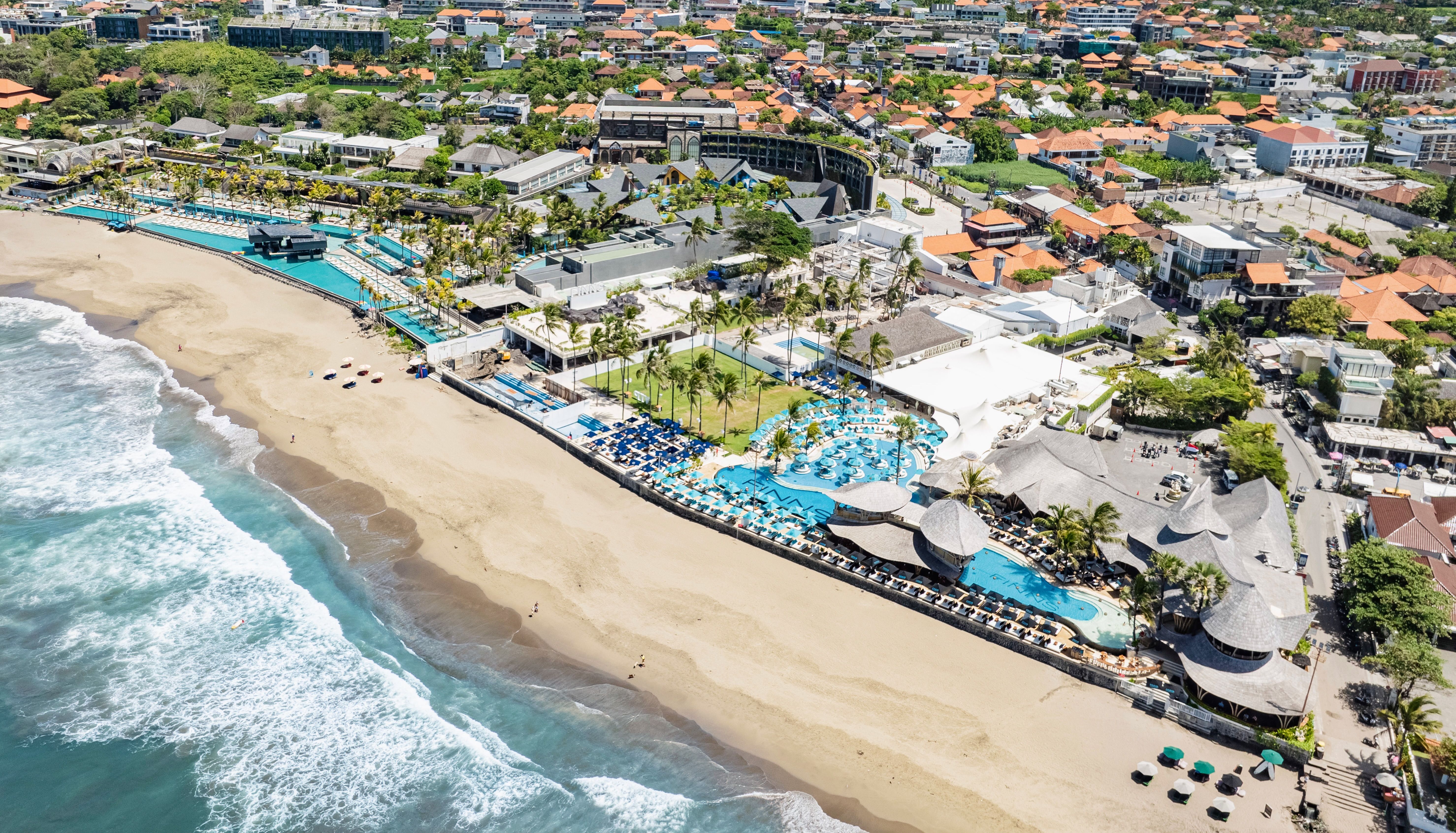
Why 2026 Is the Year Bali’s Market Transforms — From Speculative to Institutional
The Bali real estate market in 2026 looks nothing like it did just five years ago. And that is precisely why serious investors are paying attention.
For a decade, Bali’s property narrative was simple: frontier opportunity, high yields, minimal regulation, first-mover advantage. Investors came, built fast, sold quick, exited. It was the story of an emerging market with unlimited upside and minimal rules.
That era is ending. And what’s replacing it is something far more valuable for long-term investors: a maturing market with institutional standards, transparent governance, and regulatory clarity.
This shift from speculative to institutional is not a market cooling. It is a market maturation. And if you understand the difference, 2026 presents one of the clearest investment opportunities Bali has seen in years.
The 2026 Market Context: Growth Meets Regulation
Tourism Is At Record Levels
Bali received 7.75 million visitors in 2024 and is tracking toward even higher numbers in 2025-2026. The island’s economy grew 5.52% in 2025, outpacing Indonesia’s national average. This tourism boom translates directly into rental demand, occupancy rates, and property appreciation.
For property investors, this means consistent demand from short-term renters, long-term expats, and digital nomads who choose Bali as a base for remote work. The number of digital nomads now represents approximately 20% of Bali’s long-term rental market, a demographic that pays premium rates and stays longer.
Regulatory Enforcement Is Tightening
At the same time, Indonesia’s central government and Bali’s provincial authorities have decided that uncontrolled development is unsustainable. Beginning in 2025 and continuing through 2026, the focus has shifted to three key areas: environmental protection, zoning compliance, and foreign investment regulation.
What this means practically:
Environmental Impact Assessments (AMDAL) are now mandatory for major projects and are being enforced rigorously. Projects that would have received cursory approval two years ago now face genuine environmental review. Zoning restrictions are actual restrictions, not negotiable guidelines. Foreign Investment Licenses (PMA) are being audited more carefully, with the government ensuring that developers are genuinely committed to long-term development, not land banking or quick flips.
For marginal developers, this is a disaster. Timelines extend. Costs increase. Speculative margins disappear. But for professional, well-capitalized developers with transparent governance; this is competitive advantage. The weak players are being filtered out, which concentrates investor attention on quality developments.
Price Growth Is Moderating (Which Is Healthy)
After years of 15-20% annual price appreciation in popular areas, growth is settling into a more sustainable 5-10% annually in established zones like Canggu, Seminyak, and Uluwatu, with higher growth (12-22%) in emerging areas like Pererenan, Kediri, and North Bali.
This moderation is not a crash. It is market normalization. It means:
- The days of “buy anything, sell everything at double” are over
- Prices now reflect actual fundamentals rather than speculation
- Investor focus shifts from flip potential to long-term rental yield
- Capital allocation becomes more disciplined
For serious investors, this is exactly what you want. When markets separate into “speculators” and “fundamentals,” the fundamentals win over time.
What Changed in Bali’s Real Estate Environment
The “Legality Premium” Emerged
In 2025-2026, properties with clear legal status; like proper zoning, environmental approval, tax compliance; began commanding a visible premium over legally ambiguous properties. A villa with proper documentation sells faster and at higher prices than an identical villa without clear legal status.
This premium is expected to increase in 2026 as international institutional capital (pension funds, family offices, sovereign wealth funds) enters the market and refuses to touch projects without clear compliance.
Airbnb Restrictions Are Coming
Regional governments have signaled stricter enforcement on unlicensed short-term rentals. While this does not mean a “ban” on villas, it does mean that future rental income cannot depend on unregulated Airbnb-style operations. Professionally managed rental properties with proper commercial zoning and tax compliance will thrive. Unregulated gray-market rentals will face increasing pressure.
For investors, this clarifies strategy: buy in properly-zoned tourism areas, use professional management companies, and budget for regulatory compliance. These factors are now permanent costs, not optional extras.
Infrastructure Is Reshaping Investment Geography
The North Bali International Airport project; the most significant infrastructure initiative for the region; is attracting serious institutional interest in formerly overlooked areas. Coupled with expanded toll roads, improved connectivity, and government focus on “secondary destination development,” regions like North Bali (Singaraja, Lovina), East Bali (Sidemen, Candidasa), and even Lombok are attracting capital that would have flowed exclusively to Canggu and Seminyak three years ago.
This geographic diversification is healthy for investors; it reduces concentration risk and opens entry points at lower price points with similar or better growth potential.
Sustainability Is Now a Value Driver
Properties with sustainable features; renewable energy, water management systems, eco-friendly materials; are increasingly attracting both renters and investors. What once seemed like a “nice-to-have” ESG attribute is becoming a competitive advantage and a determinant of long-term value.
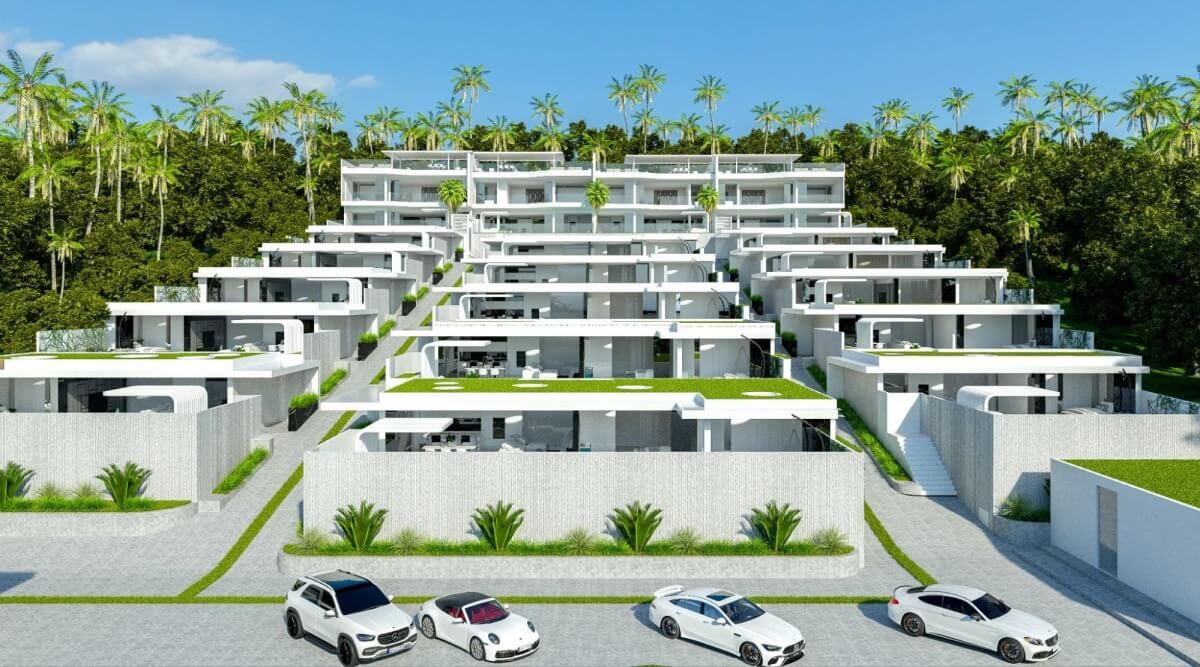
Where Should You Invest in Bali in 2026?
The answe depends on your investment strategy, but the options are clearer now than they have been.
Established Hotspots: Stable But Expensive
Canggu, Seminyak, and Uluwatu remain Bali’s primary tourism zones. These areas have deep tourism infrastructure, established short-term rental markets, and strong owner-occupancy appeal. But they also have high entry prices ($300K-$1M+ for quality properties) and moderate growth rates (5-10% annually) because much of the appreciation has already occurred.
These areas are best for investors with larger capital, seeking stability over growth, and willing to accept lower appreciation for strong rental fundamentals.
Emerging Growth Zones: Opportunity-Driven
Pererenan, Tabanan, Kediri, and Kaba-Kaba are experiencing rapid development as investors flee saturation in Canggu. These areas offer lower entry prices ($150K-$400K), stronger growth potential (12-22% annually), and emerging rental markets. They lack the established tourism infrastructure of south Bali, but they are attracting trendy developments, boutique hotels, and the next wave of tourist interest.
These areas are best for investors with medium capital, patient time horizons (5-10 years), and willingness to accept higher execution risk for higher growth potential.
Frontier Opportunities: High Risk, High Reward
North Bali (Singaraja, Lovina) and East Bali (Sidemen, Candidasa) represent truly emerging opportunities, with growth potential exceeding 18-28% annually as infrastructure improves and government-backed tourism development accelerates. Entry prices remain very accessible ($100K-$250K), but infrastructure is still developing and rental markets are nascent.
These areas are best for experienced investors with capital to weather 3-5 year infrastructure development periods, and conviction about long-term tourism diversification.
The 2026 Investment Thesis for Bali
Here is what the data supports as the clearest investment opportunity in Bali for 2026:
Buy professionally managed properties with clear legal status in areas experiencing infrastructure-driven growth.
This means:
- Projects with proper zoning and environmental approval completed
- Developer governance transparent and third-party verified
- Property in professionally managed complexes (not owner-managed villas)
- Location selected based on tourism fundamentals and infrastructure timelines, not hype
- Pricing based on realistic rental yields (8-15% gross) rather than speculative appreciation
This strategy filters out speculative plays (where you’re betting on quick appreciation), marginal developers (where you’re betting on execution and regulatory luck), and overpriced established areas (where growth has already been priced in).
What remains are solid, institutional-grade investments with 10-15% annual total returns (rental yield + appreciation) over 5-10 year horizons.
What International Investors Must Know About Bali in 2026
1. Legal Structures Matter More
Foreign ownership of land is not permitted in Indonesia. Instead, you acquire long-term leasehold (typically 30 years, renewable). The quality and clarity of this lease structure directly affects property value, saleability, and peace of mind. In 2026, investors should demand independent legal review of lease structures, not rely on developer assurances.
2. Professional Property Management Is Essential
If you are buying for rental income, professional third-party management is non-negotiable. Owner-managed properties deliver lower returns, higher vacancy, and higher operational stress. The best Bali developers now operate their own property management companies to ensure consistency.
3. Regulatory Status Is Investment Insurance
Properties with completed environmental assessments (AMDAL), clear zoning compliance, and documented tax status carry less risk and command premium pricing. These are not boxes to check—they are value drivers.
4. Diversification Across Locations
Putting all capital into one area (Canggu) or one project is increasingly risky. The smartest investors are buying across 2-3 complementary locations to diversify geographically and operationally.
5. Yield Matters More Than Price Appreciation
The days of 30% annual capital appreciation are over. Success in 2026 depends on realistic rental yield (10-15% gross annually from short-term rental or lease income), not appreciation betting.
The Real Opportunity in 2026
The real estate market in Bali is not cooling. It is maturing. That shift appears negative if you were betting on frontier-market dynamics. But it is highly positive if you are seeking institutional-grade returns from a destination with proven tourism demand, improving infrastructure, and now-clear regulatory frameworks.
The investors who will do best in 2026 are those who:
- Understand that regulation improves investment quality, not diminishes it
- Recognize that geographic diversification beyond Canggu offers better risk-adjusted returns
- Commit to professional management and legal clarity rather than seeking shortcuts
- Calculate returns based on sustainable rental yield rather than speculative appreciation
Bali’s real estate market is no longer a frontier play. It is an emerging institutional market with clear rules, professional governance, and genuine long-term fundamentals.
For the right investor with the right mindset, 2026 is exactly when that market becomes most attractive.
Key Takeaways for 2026 Investors
✓ Tourism remains at record levels, supporting strong rental demand
✓ Regulatory enforcement increases, filtering out marginal developers
✓ Emerging areas offer better growth potential than saturated hotspots
✓ Legal clarity is now a competitive advantage and value driver
✓ Professional management and sustainable yields matter more than appreciation bets
✓ Infrastructure projects are reshaping investment geography across the island
✓ International capital is entering as regulation improves institutional confidence
The Bali market in 2026 is clearer, cleaner, and more professional than it has ever been. That is good news for serious investors willing to do their homework.
