






Written by Stanislav Sadovnikov, Founder, Magnum Estate ·
Reviewed by Magnum Estate legal & investment desk ·
Last updated 3 June 2026
"Low Violent crime vs foreigners · Scooters #1 day-to-day safety risk · Nominee #1 investment legal risk · 6.95M 2025 foreign arrivals (+9.7%)"
Key figures (2026)
Is Bali safe to live and invest: summary
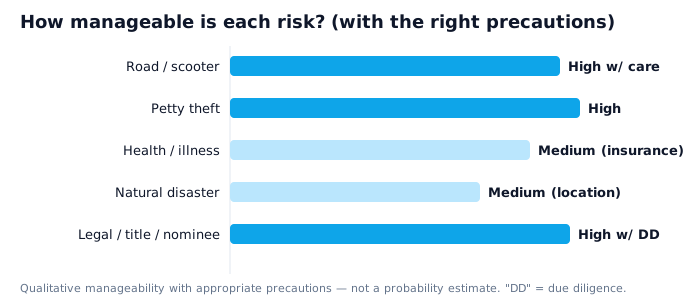
Is Bali safe to live and invest? The honest answer is generally yes, but with named, manageable risks. Is Bali a safe place to live day to day? Yes: life is calm and violent crime against foreigners is uncommon; the realistic living risks are road accidents (especially scooters), petty theft and seasonal natural hazards. The realistic investment risks are legal, title, lease and the prohibited nominee structure, far more than physical. None of these are reasons to avoid Bali; they are reasons to do proper due diligence.
- Living safety: low violent crime; main hazards are traffic, petty theft and natural events.
- Health: good private hospitals in the south; carry insurance and watch food/water hygiene.
- Natural risk: Ring-of-Fire location, earthquakes, volcanic and tsunami exposure are real but locatable.
- Investment legal risk: foreigners can’t hold freehold (Hak Milik); use Leasehold or PT PMA.
- Biggest single risk: nominee (“pinjam nama”) deals, prohibited and unenforceable. Avoid entirely.
- Market risk: demand is strong (6.95M arrivals in 2025, +9.7%), but yields are net 4-6% self-managed / 10-15% pro-managed, not the headline gross.

"Transparency: Magnum Estate develops property in Bali, so we have a commercial interest in your decision. This guide is educational, not investment, legal, medical or safety advice. Safety conditions and laws change, verify current government travel, health and disaster advisories, and consult a certified Indonesian notary (PPAT) and tax advisor before buying."
Transparency
So, is Bali safe to live and invest in 2026? For most foreigners the answer is yes, but a useful answer separates two very different questions: is it safe to live here day to day, and is your capital safe when you buy? This guide treats both honestly. Bali drew 6,948,754 foreign visitors in 2025, up 9.72% year-on-year, and a large, settled expat community lives here without drama. That popularity is real and reassuring. It does not, however, remove the specific risks, traffic, petty theft, natural hazards, and above all the legal pitfalls of foreign property ownership, that this article maps out alongside concrete ways to reduce each one.
Living safety in Bali: crime, health and natural risks
Daily life in Bali is, for most residents, calm and well-organised. Residential and villa enclaves typically run local neighbourhood security (“pecalang” and private estate guards), and serious crime against foreigners is rare. But “feels safe” is not the same as “no risk.” The honest picture is that the dangers most likely to affect you are mundane, not dramatic: the road, an opportunistic thief, a stomach bug, and, less often, a natural event. We take each in turn.
Crime and personal safety
Violent crime rates in Bali are low by international standards and very rarely involve foreign residents. The realistic threats are petty and opportunistic: bag-snatching from passing scooters, theft from unlocked villas and rentals, card skimming at non-bank ATMs, and occasional drink-spiking in nightlife areas. Drug laws are extremely strict, penalties are severe, and there is no leniency for foreigners, so this is one area where caution is non-negotiable.
| Living risk | Realistic likelihood | Severity | Mitigation |
|---|---|---|---|
| Road / scooter accidents | High | High | Helmet, valid licence + insurance, avoid night riding, consider a driver |
| Petty theft (bags, scooters, villas) | Medium | Low, medium | Estate security, safes, don’t flaunt valuables, lock up |
| Card skimming / ATM fraud | Medium | Medium | Use bank-branch ATMs, monitor statements, card alerts |
| Drug-law exposure | Low (avoidable) | Very high | Zero involvement, penalties are severe |
| Drink-spiking / nightlife | Low | Medium | Watch your drink, travel in groups, reputable venues |
| Indicative risk assessment for foreign residents. Likelihood and severity are qualitative, not statistical. Always check current government travel advisories before relying on any single source. |
The takeaway: the single most dangerous thing most foreigners do in Bali is ride a scooter without a helmet or licence, far more so than any crime. Treat the road as your primary safety priority. If you plan to rent out a home you are not living in, professional oversight also protects against theft and neglect, see how owners stay protected from abroad in our villa management & operations guide.
Health and healthcare
Southern Bali (Denpasar, Sanur, Kuta) has well-regarded private hospitals and international clinics; standards drop as you move into rural and northern areas, where serious cases are often referred south or to Singapore. The everyday health risks are food- and water-borne illness (“Bali belly”), dengue (mosquito-borne, seasonal), and the consequences of traffic accidents. Tap water is not potable. Comprehensive medical and evacuation insurance is essential, public healthcare is limited for foreigners, and private care is paid up front.
Natural-disaster risk
Bali sits on the Pacific Ring of Fire, so earthquakes, volcanic activity (Mount Agung last erupted in 2017-2019) and tsunami exposure on low-lying coasts are genuine. The 2018 Lombok earthquakes were felt strongly in Bali. None of this makes the island uniquely dangerous, it makes location, elevation and build quality part of due diligence. Seasonal flooding and landslides also occur in the wet season (roughly November, March).
Investment safety in Bali: legal, title and market risk
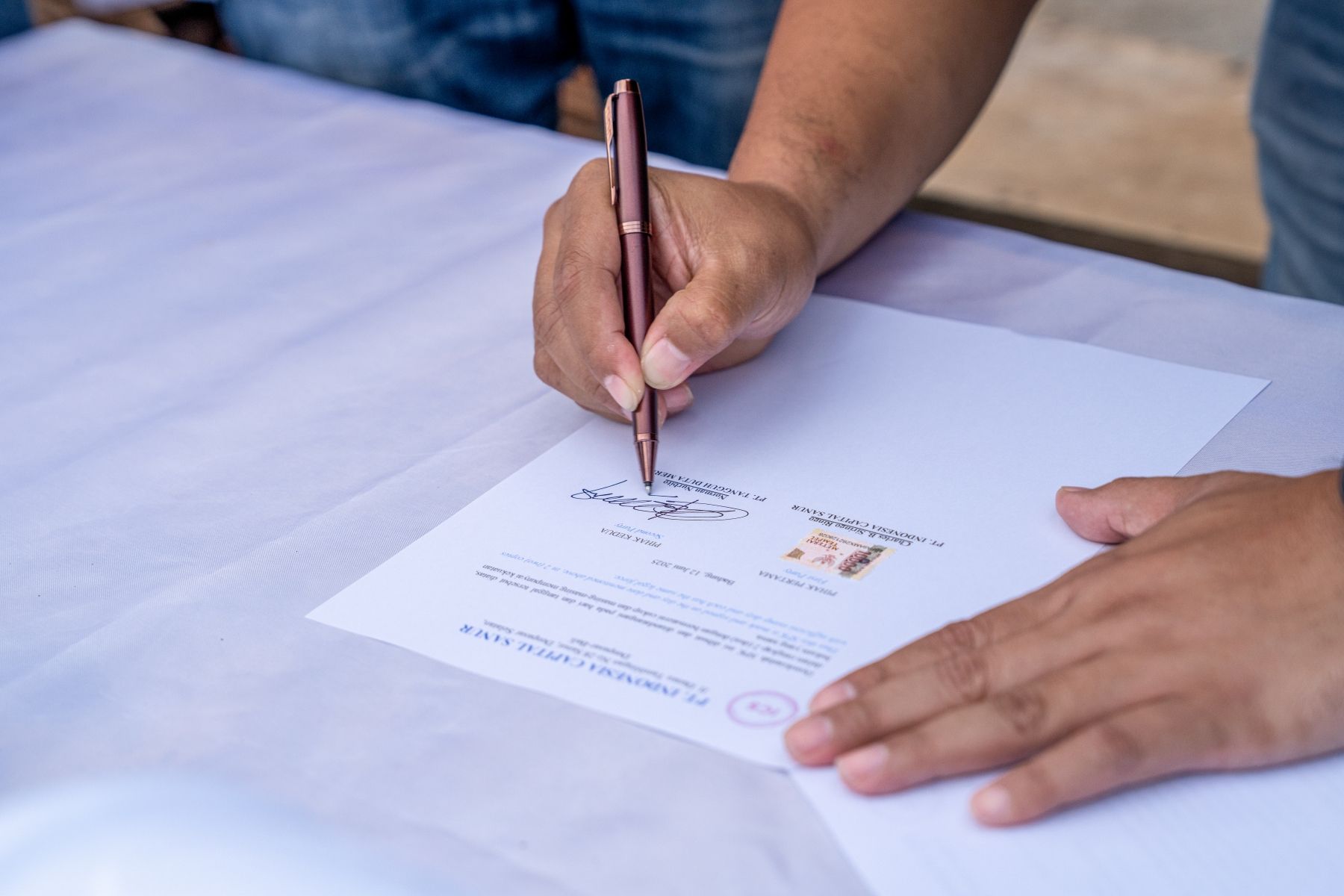
This is where most foreigners actually lose money, not to crime, but to legal structure. The foundational fact: under Indonesia’s Agrarian Law (No. 5/1960), foreigners cannot hold Hak Milik (freehold) land in their own name. The safe, legal routes are a registered Leasehold (Hak Sewa) or a foreign-owned company, a PT PMA, holding HGB (Hak Guna Bangunan) or Hak Pakai. The dangerous route is a nominee (“pinjam nama”) arrangement, where land sits in an Indonesian’s name on your behalf, this is prohibited, the side agreement is unenforceable, and buyers have lost entire assets this way.
| Investment risk | What goes wrong | Mitigation |
|---|---|---|
| Nominee (“pinjam nama”) | Prohibited & unenforceable; foreigner can lose the asset | Never use one, choose Leasehold or PT PMA instead |
| Title / certificate defects | Disputed boundaries, multiple claims, unverified seller | Notary (PPAT) title search at ATR/BPN before payment |
| Zoning / permits | Building on land not zoned for tourism/residential use | Confirm zoning & PBG/SLF permits pre-purchase |
| Lease terms | Short tenor, weak renewal/extension rights | Negotiate length + registered renewal options |
| Market / yield risk | Buying on gross-yield hype; oversupply in some micro-markets | Underwrite on net yield, not headline gross |
| Developer / off-plan risk | Delays, non-delivery, weak escrow | Track record, milestone payments, legal review |
| Ownership structures per Indonesia’s Agrarian Law No. 5/1960 and BKPM foreign-investment rules. Always confirm current rules with a licensed notary (PPAT). |
Legal: the gap between “feels safe” and “is legally secure” is the whole game. Read our legal guide to buying property in Bali as a foreigner, compare structures in freehold vs leasehold for Bali investors, and run the 2026 due-diligence checklist before any payment.
Market risk is the quieter one. Demand is strong and rising, but returns are routinely overstated. The “8-15% yield” you see advertised is almost always gross (rent ÷ price, before costs). Realistic net yields are about 4-6% self-managed and 10-15% under professional management, after fees, tax, maintenance and vacancy. Buying on the gross number is how investors end up disappointed, see the full breakdown in our Bali villa ROI guide.
Buy where the legal structure is already sound
Magnum Estate, a full-cycle Bali real estate developer, uses compliant leasehold and PT PMA structures with transparent title, explore Berawa, Sanur and Uluwatu.
View Magnum projects
Book a free consultation
How to mitigate each risk
Asking “is Bali safe to live and invest” is really asking “what do I have to do to make it safe?” The honest answer is a short, repeatable checklist for living and for investing:
Living safely
- Treat the road as priority one: helmet, valid licence, insurance, no night/intoxicated riding; hire a driver if unsure.
- Carry comprehensive medical + evacuation insurance; use southern private hospitals for serious care.
- Drink only filtered/bottled water; keep food hygiene in mind; use mosquito protection in dengue season.
- Choose elevation and build quality for natural-hazard resilience; confirm the property is insured.
- Use estate security, safes and bank-branch ATMs; stay completely clear of drugs.
Investing safely
- Use only legal structures, registered Leasehold (Hak Sewa) or PT PMA with HGB; never a nominee.
- Commission an independent notary (PPAT) title search at ATR/BPN before any payment.
- Verify zoning and building permits (PBG/SLF) match your intended use.
- Underwrite on net yield (4-6% self / 10-15% pro), not headline gross.
- For off-plan, check developer track record, milestone payments and legal escrow, see off-plan property in Bali 2026.
Choosing the right area is part of risk management too: rental demand, oversupply and appreciation vary sharply by micro-market. Compare them in our
best areas to buy property in Bali 2026
guide before committing capital.
Who Bali is not right for
Honesty cuts both ways. Bali is not the right choice if you need a freehold title in your own name, want a fully hands-off asset with zero local oversight, are uncomfortable riding or being driven on busy roads, have health conditions needing top-tier emergency care nearby, or expect the advertised gross yields to land in your pocket. If any of those are dealbreakers, that is a signal to reconsider, not a reason to ignore the risks and proceed anyway.
Methodology & sources
Living-safety assessments here are qualitative and reflect commonly reported risk patterns for foreign residents; they are not statistical crime or accident rates and should be cross-checked against current government travel and health advisories. Market figures reuse a reconciled 2026 dataset converted at ~IDR 16,000/USD: arrivals (6,948,754, +9.72%) from BPS Bali; net yields (4-6% self-managed, 10-15% professionally managed) and gross-vs-net framing from 2026 market studies. Ownership rules follow Indonesia’s Agrarian Law No. 5/1960 and BKPM foreign-investment guidance. Always commission an independent appraisal and notary (PPAT) due diligence before purchase.
Conclusion
Is Bali safe to live and invest in 2026? On balance, yes, for foreigners who go in with open eyes. The living risks (road, theft, health, natural events) are mundane and largely manageable with basic precautions and insurance. The investment risks (title, lease, nominee, market) are real but entirely avoidable with the right legal structure and independent due diligence. The unsafe path is not Bali itself; it is shortcuts, riding without a helmet, or signing a nominee deal. Avoid those, and the island is as secure as it feels.
See safety done properly
Explore Magnum Estate’s residences with compliant title, professional management and transparent net-yield projections, and weigh the full picture in our guide to investing in Bali.
Uluwatu, Sky Stars
Berawa
Sanur
FAQ: is Bali safe to live and invest
Is Bali safe to live and invest in 2026?
Generally yes. Day-to-day life is calm and violent crime against foreigners is uncommon; the real living risks are traffic, petty theft and seasonal natural hazards. The biggest investment risk is legal, verify title, lease and structure with an independent notary (PPAT).
Is crime a problem for foreigners in Bali?
Violent crime is uncommon. The realistic risks are petty theft, card skimming and, above all, road accidents, especially on scooters. Standard precautions reduce most of it.
What is the single biggest investment risk?
Nominee (“pinjam nama”) arrangements, where land is held under an Indonesian’s name for a foreigner. They are prohibited and unenforceable. Use a registered Leasehold (Hak Sewa) or a PT PMA with HGB instead.
Are natural disasters a serious risk?
Bali is on the Ring of Fire, so earthquakes, volcanic activity and coastal tsunami exposure are real but locatable. Choose elevation, build quality and insurance, and check zoning maps before buying.
Can foreigners legally own property in Bali safely?
Yes, via a registered Leasehold or a PT PMA holding HGB/Hak Pakai. Foreigners cannot hold Hak Milik (freehold) directly. With due diligence and a notary, ownership is secure.
What yield is realistic, and is it safe to rely on?
Underwrite on net, not gross: roughly 4-6% self-managed and 10-15% professionally managed, after costs. Relying on advertised gross yields is a common, avoidable mistake.
Is the healthcare safe enough for full-time living?
Southern Bali has good private hospitals; rural and northern areas are weaker and often refer serious cases south or abroad. Comprehensive medical and evacuation insurance is essential.
References & official sources
- BPS, Statistics Indonesia / Bali: 2025 foreign arrivals (6,948,754, +9.72%), tourism & demand data, bali.bps.go.id
- ATR/BPN, National Land Agency: land titles (Hak Milik / Hak Pakai / HGB), certificate verification & zoning, atrbpn.go.id
- BKPM / Invest Indonesia: foreign ownership & PT PMA rules (Positive Investment List), investindonesia.go.id
- DJP / Ministry of Finance: PBB (~0.1%) & transaction/rental taxes, pajak.go.id
- Legal basis: Agrarian Law No. 5/1960 & Omnibus Law No. 11/2020, via faolex.fao.org / UNCTAD
- Market data (2026): Bali Villa Realty, Paradyse Homes, Prestige Property Bali & InvestLandBali (yields, occupancy, demand). Verify current government travel/health advisories for safety claims.
About the author
Stanislav Sadovnikov is the founder of Magnum Estate (PT Magnum Estate International), an award-winning full-cycle Bali real estate developer with 8 projects and 575 units since 2019 (Berawa, Sanur, Umalas, Sky Stars, Sky Royal). He writes about Bali pricing, yields, ownership rules and regulation for international buyers.