





Written by Stanislav Sadovnikov, Founder, Magnum Estate ·
Reviewed by Magnum Estate legal & investment desk ·
Last updated 3 June 2026
"~$256-299k Median villa price (island) · $250-1,900 Land price per m² (Ubud, Seminyak) · 10-18% Gross yield, prime areas · ~0.1% Annual land & building tax (PBB)"
Key figures (2026)
Buying to invest? This guide covers the step-by-step buying process. For returns, ROI and rental yields, see our Bali property investment guide.
How to buy real estate in Bali: summary
To buy real estate in Bali as a foreigner you do not buy the land outright, you buy a Leasehold (Hak Sewa) or a PT PMA company that holds a right-to-build title. Then it comes down to four decisions: budget, area, structure and due diligence. This guide is the friendly starting point and links to the deep guides for each.
- Ownership: foreigners use Leasehold (25-30 yrs, renewable) or PT PMA (HGB), never Hak Milik directly.
- Budget: entry from ~$60-150k (off-plan/land); island median villa ~$256-299k; investor-grade $300-600k.
- Area: Canggu/Berawa, Uluwatu and Sanur for proven demand; Tabanan/Seseh for growth value.
- Returns: gross 10-18% in prime areas; net is ~4-6% self-managed or ~10-15% professionally managed.
- Safety: the only real risk is skipping due diligence, verify title, zoning and permits before paying.

"Transparency: Magnum Estate develops property in Bali, so we have a commercial interest. This guide is educational, not investment or legal advice, verify figures independently and consult a certified Indonesian notary (PPAT) and tax advisor before you buy."
Transparency
If you want to buy real estate in Bali but have never done it before, this beginner’s guide is your map. Buying here is genuinely different from buying at home, the ownership is structured around leases, not freehold; the due diligence is title-and-zoning heavy; and the price you pay depends enormously on the micro-area. Rather than overwhelm you, this page gives you the big picture in four decisions and then routes you to the in-depth guide for each one, so you can go as deep as you need without missing a step.
Start here: the four decisions
Almost every beginner question, “Is it safe?”, “How much do I need?”, “Will I really own it?”, “Where should I buy?”, collapses into four decisions. Get these right, in order, and the rest is process. Each one has a dedicated guide linked below; this article is the hub that ties them together.
| # | Decision | The short answer | Go deeper |
|---|---|---|---|
| 1 | Ownership structure | Leasehold (Hak Sewa) or PT PMA (HGB), not Hak Milik | Foreigner legal guide |
| 2 | Budget & price | From ~$60k; median villa ~$256-299k | Bali property prices 2026 |
| 3 | Area | Yield vs. lifestyle vs. growth trade-off | Best areas to buy |
| 4 | Due diligence | Verify title, zoning & permits before paying | Due-diligence checklist |
| This guide is the overview. Once you know your numbers, work through the deal step-by-step with our data-driven investing method. |
Step 1, How foreigners legally own property in Bali
The single most important thing to understand before you buy real estate in Bali: foreigners cannot hold freehold (Hak Milik) land directly. That is constitutional, not negotiable, and any developer promising “full” or “permanent” foreign ownership of land is a red flag. What you can legally hold is one of two structures:
| Structure | What you hold | Term | Best for |
|---|---|---|---|
| Leasehold (Hak Sewa) | A long-term lease on the land/building | ~25-30 yrs, renewable | Most individual buyers; simplest entry |
| PT PMA (foreign company) | Company holds Hak Guna Bangunan (right to build) | 30 yrs +30 +20 | Rental businesses; multiple assets; longer horizon |
| Source: ATR/BPN (land titles); BKPM (PT PMA / foreign investment). Confirm the exact title and term with a notary (PPAT). |
Beginner rule: the structure decides everything downstream, taxes, exit and what “ownership” actually means. Read leasehold vs. freehold vs. PT PMA and the full foreigner ownership legal guide before you sign anything.
Step 2, Budget & prices: what your money buys
The second question every beginner asks is “how much do I need?” Bali spans a wide range, built villas run from about USD 60,000 to USD 6 million, with the island median near USD 256,000-299,000 and most investor-grade villas between USD 300,000 and USD 600,000. The clearest way to compare areas is the land price per m², converted at ~IDR 16,000/USD:
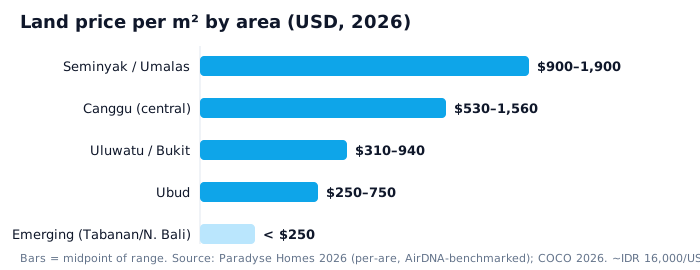
| Budget (USD) | What you can realistically get |
|---|---|
| 60k, 150k | Off-plan/co-ownership unit, or land in an emerging area |
| 150k, 300k | Villa in an emerging zone (Tabanan, Seseh) or a small Ubud villa |
| 300k, 500k | Investor-grade villa in Canggu, Ubud, or second-row Uluwatu |
| 500k, 1.2M+ | Ocean-view Uluwatu or prime Seminyak/central Canggu villa |
| Add ~10-15% on top for transaction tax, notary and setup. Build cost ≈ $1,000-1,800/m² if you build. Source: Bali Villa Realty, Paradyse, Prestige 2026. |
Don’t price off averages. The headline “median” hides huge area gaps. Get the full breakdown in Bali property prices 2026, and if you’re weighing buying vs. building, see building vs. buying a villa in Bali.
Step 3, Choosing an area to buy real estate in Bali
Area is where lifestyle and returns meet. Proven rental markets (Canggu/Berawa, Uluwatu, Sanur) give you deep, year-round demand and easier resale; emerging belts (Tabanan, Seseh, North Bali) give you more land per dollar and growth upside but thinner rental demand today. The gross-yield picture by area:
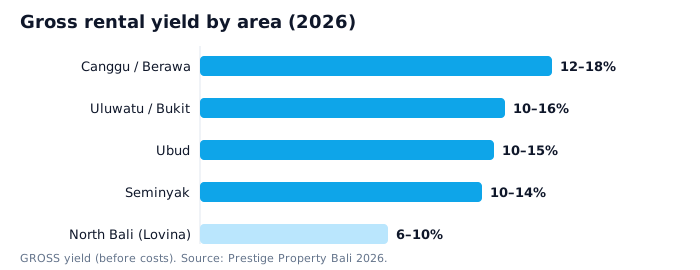
| Area | Typical villa price | Gross yield | Beginner profile |
|---|---|---|---|
| Canggu / Berawa | $400-800k | 12-18% | Deepest rental demand; easiest first buy |
| Uluwatu / Bukit | $500-900k (3BR ocean view) | 10-16% | Views & fastest land appreciation |
| Sanur | $300-700k | 10-15% | Family-friendly, stable, long-stay demand |
| Ubud | $250-500k | 10-15% | Wellness/long-stay; lower volatility |
| Emerging (Seseh, Cemagi, Tabanan) | $100-600k | 6-18% | More space per dollar; longer horizon |
| Yields shown are GROSS (before costs). Source: Prestige Property Bali 2026; villa ranges from Bali Villa Realty / Paradyse 2026. |
Beginner shortcut: if you want demand from day one, start in a proven market. Compare the two coasts in Canggu vs. Uluwatu, or read up on Sanur as an investment area. Magnum builds in exactly these zones, see our Berawa development.
Not sure which area fits your budget?
Compare live pricing and projected net yields across Magnum Estate’s Berawa, Sanur and Uluwatu developments.
View Magnum projects
Book a free consultation
Step 4, Due diligence & closing (the safety step)
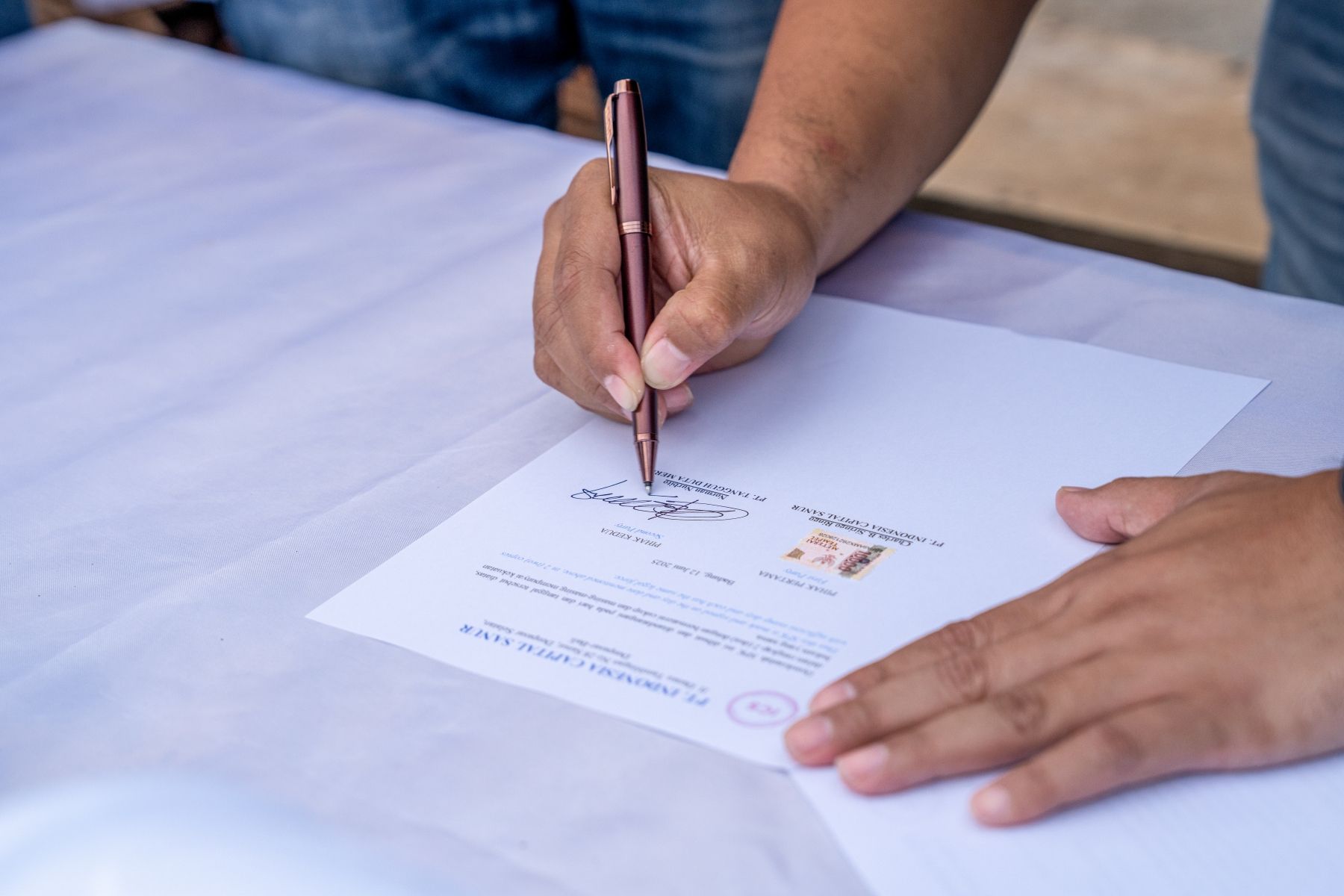
This is where beginners either protect themselves or get burned. Before any money moves, you verify three things: the title (a valid certificate at the BPN land office, no liens or competing claims), the zoning (your intended use, tourism rental, residential, is actually permitted), and the permits (building permit/PBG in place). You hire an independent notary (PPAT) and, for off-plan, structure payments against construction milestones, never pay the full amount upfront. We keep the detailed step-by-step process out of this overview so you can follow it properly in the dedicated guides.
Do not skip this. Work line-by-line through our
due-diligence checklist for foreign buyers
and understand zoning risk when choosing land. Most Bali horror stories trace back to one of these two checks being skipped.
Taxes & holding costs
Beginners often model the purchase price and forget the rest. The recurring numbers are modest but real: annual land-and-building tax (PBB) is roughly 0.1% of assessed value, note some older guides quote 0.3%; the standard residential rate is far lower, plus a one-off transaction tax (BPHTB, around 5% of value) at purchase, and income tax on any rental earnings. Management fees (typically 15-20% of rental income) and maintenance are what turn a headline gross yield into your real net.
The gap between a gross 10-18% and a net 4-6% (self-managed) or 10-15% (professionally managed) is mostly operating cost. Model it properly with our taxes & holding-costs guide and see how operations drive returns in the villa ROI guide.
Off-plan vs. resale: which suits a first buy?
Most beginners choose between a finished resale villa (you see exactly what you get, income starts sooner) and an off-plan unit (lower entry price, payment by milestone, but construction and developer risk). Off-plan can be the best-value way to buy real estate in Bali if, and only if, the developer’s PMA, track record and escrow arrangements check out.
If you’re leaning off-plan, read off-plan property in Bali 2026 first, and pressure-test the numbers with our data-not-hype investing method.
Limitations & who this isn’t for
This is a beginner overview, not a substitute for legal and tax advice. Buying in Bali suits a medium-term horizon (think 5-10 years, not a quick flip): leases run for decades, off-plan projects take 18-36 months to complete, and like-for-like price growth is a realistic 7-15% a year, not the 30% some sellers imply. It is not a fit if you need fully liquid, freehold-titled assets, can’t tolerate currency (IDR/USD) movement, or won’t commission independent due diligence. If that’s you, a different market may serve you better.
Methodology & sources
Figures are indicative 2026 ranges, reconciled across multiple market datasets and converted at ~IDR 16,000/USD. Land prices are stated per m² (from per-are data; 1 are = 100 m²). Gross yields are rent ÷ price before costs; net yields deduct management, tax, maintenance and vacancy and are kept separate throughout. Tax rates (PBB ~0.1%, BPHTB ~5%) are indicative, confirm current rates with a tax advisor and run notary (PPAT) due diligence before purchase.
Conclusion
The safe way to buy real estate in Bali is unglamorous: pick the right ownership structure, set a realistic budget, choose an area that matches your goal, and never skip due diligence. Use this hub to orient yourself, then go deep in the linked guides for prices, legal, areas, taxes and off-plan. Done in that order, Bali is a navigable market, not a gamble.
Ready to see real numbers, not averages?
Explore Magnum Estate’s ocean-view residences in Uluwatu, Berawa and Sanur, transparent pricing and projected net yields.
Uluwatu, Sky Stars
Berawa
Sanur
FAQ: how to buy real estate in Bali
Can a foreigner buy real estate in Bali?
Yes, but not freehold land directly. Foreigners buy real estate in Bali via Leasehold (Hak Sewa, ~25-30 years, renewable) or a PT PMA company holding a right-to-build (HGB) title.
How much money do I need to buy real estate in Bali in 2026?
Entry off-plan units and emerging-area land start near $60-150k. The island median villa is ~$256-299k, and most investor-grade villas are $300-600k. Budget another 10-15% for taxes and setup.
Is it safe to buy real estate in Bali?
Yes, with the right structure, verified title and zoning, and independent notary (PPAT) due diligence before paying. Most problems come from skipping due diligence, not from Bali itself.
What yield can I expect?
Gross yields run ~10-18% in prime areas. Net is lower: ~4-6% self-managed or ~10-15% professionally managed, after fees, tax, maintenance and vacancy.
Where should a beginner buy?
Proven rental markets, Canggu/Berawa, Uluwatu, Sanur, for demand and resale, or emerging belts (Tabanan, Seseh) for growth value. Match the area to your goal.
What taxes apply?
A transaction tax (BPHTB, ~5%) at purchase, annual PBB (~0.1% of assessed value), and income tax on rental earnings. Confirm current rates with a tax advisor.
Off-plan or resale for a first purchase?
Resale gives certainty and faster income; off-plan gives a lower entry price and milestone payments but adds construction and developer risk. Verify PMA, track record and escrow either way.
References & official sources
- ATR/BPN: land titles (Hak Milik / Hak Pakai / HGB) & zoning, atrbpn.go.id
- BKPM / Invest Indonesia: PT PMA & foreign-investment rules, investindonesia.go.id
- DJP / Ministry of Finance: PBB, BPHTB & rental-income tax, pajak.go.id
- BPS, Statistics Indonesia / Bali: tourism arrivals & occupancy, bali.bps.go.id
- Bank Indonesia, Residential Property Price Index: price growth & FX, bi.go.id
- Market data (2026): Bali Villa Realty price guide; Paradyse Homes price-per-are study; Prestige Property Bali area/yield analysis; InvestLandBali market report.
- Magnum Estate portfolio data (net yields by project).
About the author
Stanislav Sadovnikov is the founder of Magnum Estate (PT Magnum Estate International), an award-winning full-cycle Bali real estate developer with 8 projects and 575 units since 2019 (Berawa, Sanur, Umalas, Sky Stars, Sky Royal). He writes about Bali pricing, yields, ownership rules and regulation for international buyers.