






Written by Stanislav Sadovnikov, Founder, Magnum Estate · Reviewed by Magnum Estate legal & investment desk · Last updated 23 June 2026
Before you pick a project, pick a reason
Indian investors buy Bali property for four reasons: somewhere safe to park capital, the rise in prices, the rental income, and a second home you can actually reach. You can fund it under the RBI LRS — up to USD 250,000 per person each year — and since entry starts at USD 225,000, an entry-level unit fits inside one person's allowance. For most buyers, all four point to a managed apartment, not a villa.
First, funding it: the RBI LRS
Resident Indians can remit funds abroad for property under the Liberalised Remittance Scheme — currently up to USD 250,000 per person each financial year. Since entry starts at USD 225,000, an entry-level unit fits inside one person's allowance, and a family can pool. TCS can apply on the remittance and the rules change, so confirm the current numbers with your bank and a chartered accountant before you send funds.
Four reasons people buy in Bali
Before you compare projects or yields, it pays to be honest about why you’re buying — because the reason changes what you should own. In practice there are only four, and most buyers are some mix of them.
For an Indian investor there’s one extra piece worth getting right first — how you fund it — so we cover that up front, then the four reasons.
1. A safe place to park capital
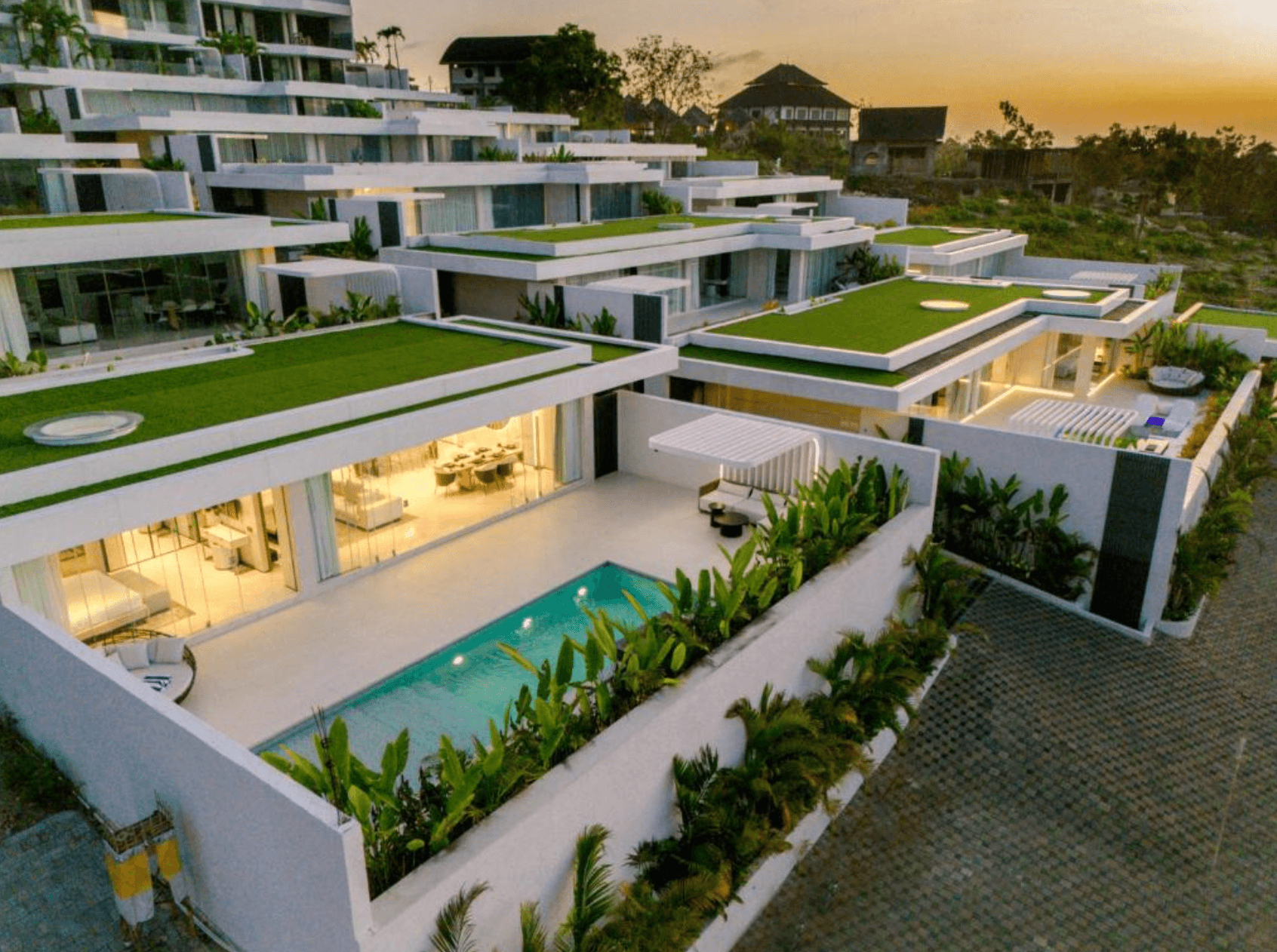
The first reason is preservation — holding money in an asset, outside your home market. Fair enough. But “safe” depends on what you buy. A standalone villa looks romantic and quietly works against you: a roof, a pool and a garden all age, and someone has to stay on top of them or the asset slips. A managed apartment is the opposite — cleaned, maintained and kept in show condition by the operator — so years later it still presents, and sells, like new.
That’s the real reason we point most buyers toward apartments rather than villas: not because they’re cheaper, but because they hold their condition. Whether Bali is a genuinely solid store of value, though, depends on the next two reasons — so keep reading before you decide.
Apartment options and entry prices (USD)
| Project | Area | From (USD) | Projected ROI |
|---|---|---|---|
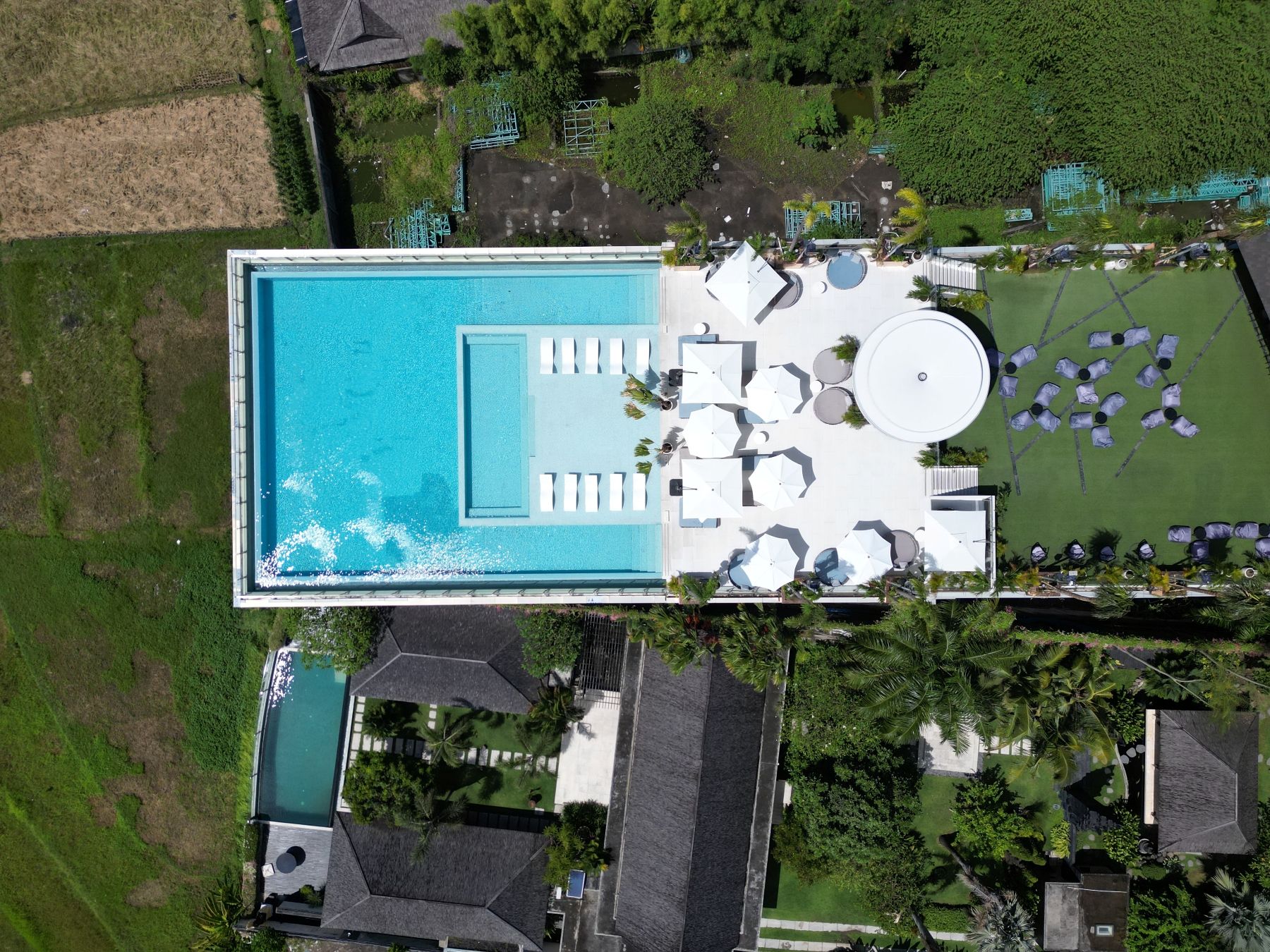
| Magnum Resort Berawa | Canggu | $339,000 | 12.1% |
| Magnum Resort Sanur | Sanur (oceanfront) | $531,000 | 11.6% |
| The Umalas Signature | Umalas / Canggu | $225,000 | 12.3% |
| Sky Stars Ocean View | Bukit / Uluwatu | $508,000 | 10.8% |
2. Prices that rise because supply can’t keep up
The second reason is capital growth, and in Bali it rests on one stubborn fact: the good land is running out. The prime pockets — Canggu, Sanur, the Bukit — are largely built or protected, the older stock ages, and genuinely new top-tier projects get harder to permit every year. Demand pushes the other way: arrivals keep climbing, infrastructure keeps improving (a Bali subway is on the drawing board), and those visitors have to stay somewhere.
Capped supply against rising demand is simply how well-located property appreciates. It’s also why buying early matters — off-plan buyers typically enter below the completed price. Magnum builds and positions its projects for capital growth over the hold — a targeted 40–70% per project — on top of the rental yield, not instead of it.
3. Rental income that actually holds up
The same scarcity is why the rent holds. Record tourism plus a shortage of quality, well-located units means a professionally run apartment stays booked at strong nightly rates instead of discounting to fill the calendar. Magnum’s projects are modelled at a projected 9.5–12.3% annual ROI from managed rentals — Berawa 12.1%, Sanur 11.6%, Umalas 12.3% — and the operator running that calendar is what turns a projection into real occupancy.
One honest rule: judge any yield on the net figure, after fees and tax, not the brochure headline. The numbers above are built that way. You can match those projections against the actual units on the list of current villas for sale in Bali.
How you will actually hold it
4. A second home you can actually reach
The fourth reason is the most personal: a second home. More Indian buyers work remotely now, and Bali makes an easy second base — direct or one-stop flights from Mumbai, Delhi and Bengaluru, a Visa on Arrival on landing, a comfortable climate. And because it’s a managed apartment, it earns its keep while you’re away. A second home that pays for itself is a very different thing from one that only costs.
Worth a quick check with a CA
As an Indian resident you're taxed on global income, so the Bali rent also has to be declared at home — check any India–Indonesia relief with a chartered accountant. And freehold isn't open to foreigners: you'll hold a long lease or a company structure (above). None of it kills the case; it just sets honest expectations.
The fine print, not buried
What protects you is the same whichever structure you use: a clean title, a developer with real NIB licensing, and an independent notary on the contract — run the due-diligence checklist before you commit to anyone. Bali is cheap to hold, but the tax lands at purchase, sale and on rent, so judge the net return, not the headline. You don’t need residency to buy — see the visa routes if you want to spend real time here. For the ground-level numbers, start with Bali prices in 2026 and the best areas to buy.

"An entry-level Bali unit fits inside one investor's annual LRS allowance — offshore, dollar-earning income, funded from India."
Why Indian investors look to Bali
Common questions
Apartment or villa?
For most buyers, a managed apartment. A standalone villa carries its own upkeep — pool, garden, roof — and quietly depreciates without an owner on top of it. An apartment in a serviced building is maintained and kept in show condition by the operator, which protects both its rental performance and its resale value.
Is Bali really a safe store of value?
It holds up for the same reason it grows: the prime land is finite and demand keeps rising, so well-located, well-run stock stays in demand. A poorly located or poorly managed unit is a different story — which is why the location and the operator matter more than the brochure.
What return is realistic?
Magnum’s projects target 9.5–12.3% a year from managed rentals (Berawa 12.1%, Sanur 11.6%, Umalas 12.3%), plus targeted capital growth over the hold. Treat yields as projections and model the net figure after fees and tax.
Can Indian citizens and residents actually buy?
Yes — through the same two routes open to every foreign buyer: a long lease, or a foreign-owned PT PMA company. Freehold is reserved for Indonesian citizens, but nothing is restricted by your nationality.
How much do I need to start?
From USD 225,000 (The Umalas Signature). Berawa is from $339,000, Sky Stars from $508,000, and oceanfront Sanur from $531,000.
How much can I remit from India?
Currently up to USD 250,000 per person each financial year under the RBI LRS, and families can pool. TCS may apply and limits change — confirm with your bank and a chartered accountant.
Can I manage it from India?
Yes. Magnum runs the rentals for the units it builds, so you receive income and reporting without handling guests or maintenance yourself.