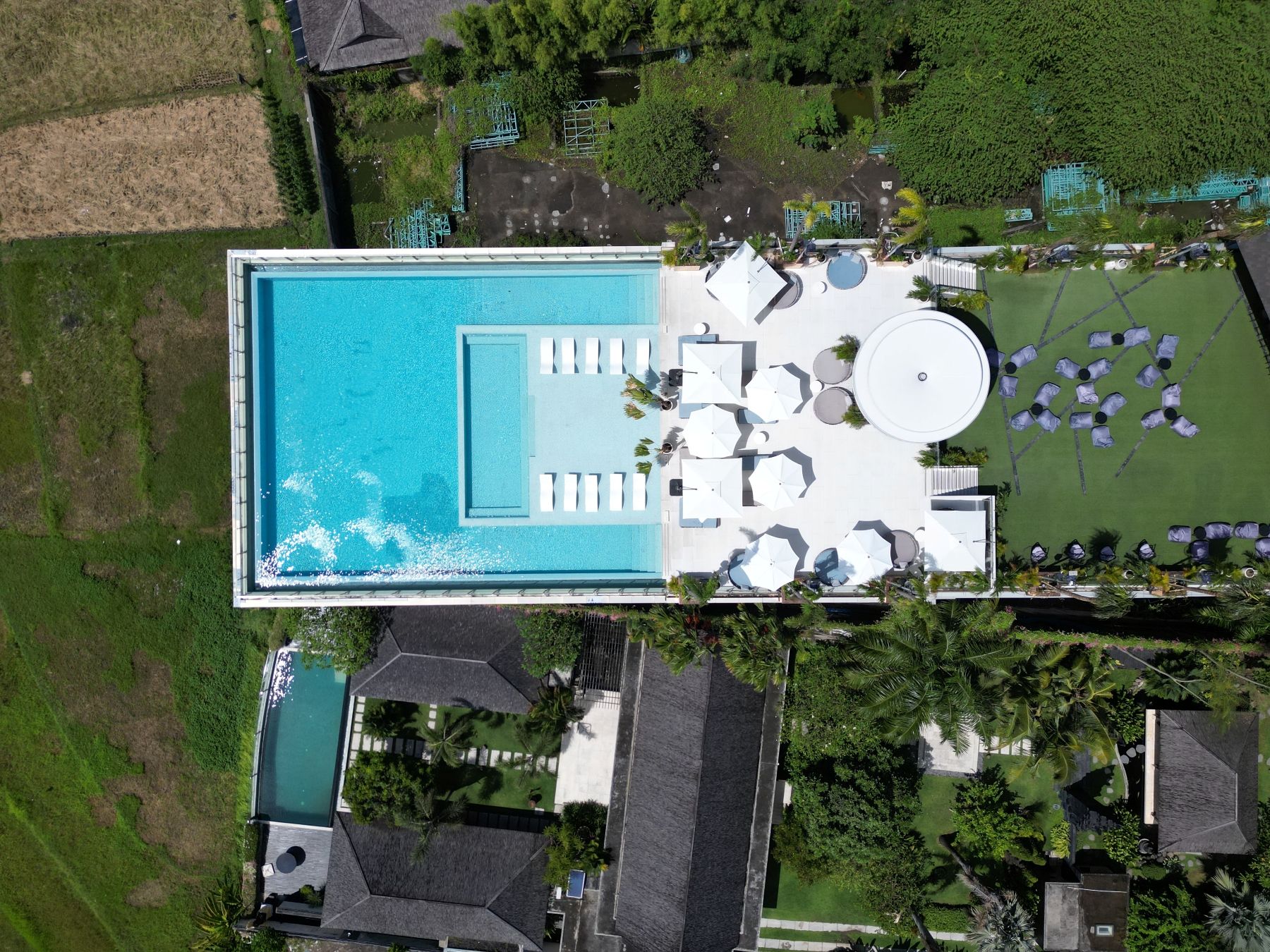







The Bali market in 2026 is full of opportunity; but also full of traps for buyers who don’t understand the new rules, nominee bans, and licensing crackdowns. Recent regulations have turned some “common practices” into criminal offenses, especially nominee land ownership and illegal villa construction on protected rice fields, making it more important than ever to know how to avoid Bali real estate scams and risky projects.
1. Why 2026 Is a Turning Point for Risk in Bali Property
Two things changed the risk profile for Bali real estate in 2026:
-
Nominee ownership is now actively criminalised.
Bali’s new Regional Regulation Perda No. 4 of 2026 bans nominee-based land ownership and introduces criminal penalties for foreigners, nominees and intermediaries who try to control land through local name‑holders instead of legal structures. Reported by The Image and other regional media, violators now face fines, demolition of structures and potential prison time, especially when productive agricultural land is involved. theimage -
Farmland conversion and illegal villas face heavy sanctions.
The same regulation makes converting protected rice fields into commercial villas a punishable offense, after data showed Bali lost more than 6,500 hectares of rice fields between 2019 and early 2026. This has triggered a freeze on many conversion permits and stricter enforcement in Tabanan and Gianyar; the heart of the Subak irrigation system. facebook
At the same time, 2026 guides for foreign buyers note that authorities are tightening checks on short‑term rental licences, tax compliance and foreign ownership structures, meaning informal or half‑legal setups are now structurally riskier than ever. propertia

2. The Most Common Bali Property Scams and Risky Setups
Specialist agents and legal advisers have started publishing explicit lists of property scams in Bali so buyers can recognise them early. The patterns repeat:
-
Nominee “freehold” in a local’s name
- You pay for a villa or land, but the Hak Milik title is registered to an Indonesian “friend” with a side agreement.
- Reported by Fullers Properties and other advisors, Perda 4/2026 now makes nominee arrangements a criminal offense for both the foreign buyer and the Indonesian nominee, with potential jail time and fines up to IDR 1 billion.
- Legal analyses explain that nominee structures have always been void under Indonesia’s Basic Agrarian Law; courts recognise the Indonesian on the title as the true owner.
-
Green Zone or rice‑field villas sold as “ready to convert later”
- Land sits in an agricultural or protected zone but is marketed as a future villa site.
- Bali’s new regulation explicitly targets illegal conversion of productive farmland and “hidden commercial villas”, with sanctions including demolition and criminal prosecution. theimage
-
Unlicensed short‑term rentals
- Villas in residential or agricultural zones offered for nightly rent without the necessary tourism and operating licences.
- 2026 rule summaries highlight a growing wave of inspections and enforcement; platforms and operators risk closure, and owners risk substantial fines or being shut down.
-
Off‑plan projects without permits or capital
- Developers sell units in a “future resort” before securing PBG (building approval), environmental clearance or realistic financing.
- Scams articles document cases where projects stall at foundation level or never break ground, leaving buyers with unenforceable promises.
-
Guaranteed 20–30% ROI with no numbers behind it
- Several 2026 investor alerts describe “guaranteed high yield” schemes that cannot be supported by ADR, occupancy and cost structures; in reality, well‑run assets typically earn around 7–12% net yields in Bali, not 25–30%.
Magnum Estate’s own guide on Bali Property Investor Mistakes 2026 at
Bali property investor mistakes 2026 goes deeper into these patterns and how to avoid them. magnumestate


3. Legal Basics Every Foreign Buyer Must Understand
Before worrying about design and ROI, you need to understand what is legal for foreigners in Indonesia.
- You cannot legally own Hak Milik (freehold) land in your own name as a foreigner.
- The only legal paths are:
- Leasehold (Hak Sewa) in your personal name.
- Hak Pakai (Right to Use) in certain conditions.
- PT PMA (foreign-owned company) holding HGB (Right to Build) or Hak Pakai titles.
2026 foreign‑buyer guides and legal notes are explicit: if an “agent” proposes a nominee structure instead of these options, treat that as an automatic red flag and walk away. A step‑by‑step legal guide like how to avoid Bali real estate scams and risky projects on magnumestate.com helps you map these structures to practical decisions.
4. 10‑Step Checklist: How to Avoid Bali Real Estate Scams and Risky Projects
Based on 2026 legal updates, investigative articles and Magnum Estate’s own investor checklists, here is a practical process:
-
Refuse nominee deals every time.
- If anyone suggests “put it in my name” or a complex POA/loan structure to mimic ownership, stop; Perda 4/2026 now criminalises such arrangements.
-
Verify zoning (ITR/KKPR) before you fall in love with the view.
- Ask for the zoning map and written confirmation that your intended use (villa rental, residence, hotel) is allowed; be especially cautious in rice‑field and Subak areas in Tabanan and Gianyar.
-
Check core permits for built projects.
- PBG (or legacy IMB), SLF (occupancy/safety certificate), AMDAL/UKL‑UPL where required, and tourism/operating licences for nightly rentals.
- Licensed guides for foreigners stress that missing permits are a major source of closure and demolition risk.
-
For off‑plan, demand evidence of approvals and funding.
- No PBG, no AMDAL, no bank support, no reputable contractor = no deal.
- Reputable developers publish permit status and construction timelines transparently.
-
Work with a licensed Notaris (PPAT) and independent lawyer.
- 2026 advisory articles repeatedly stress using your own counsel, not just the seller’s or agent’s recommended contact, to review titles, contracts and company structures.
-
Insist on escrow or staged payments tied to milestones.
- Proper contracts link payments to concrete progress and documentation; not just marketing promises.
-
Cross‑check ROI promises with real numbers.
- Use realistic assumptions for ADR, occupancy, management, utilities and tax; 2026 market data shows typical net yields in the 6–10% range for good assets, not 25–30% “guaranteed”.
-
Check the developer’s track record and corporate profile.
- Look for completed projects, public references, and verifiable company records, as well as how they handled any past legal or community issues.
-
Avoid farmland unless the conversion is already fully completed and documented.
- With Perda 4/2026 in force, any plan that depends on “we’ll convert later” in Green Zones or rice‑field areas is a structural risk. facebook
-
Document everything and keep your own copies.
- Contracts, payment proofs, communications, title searches, zoning letters and permit copies should all be saved off‑platform; courts rely on documents, not memories.
Magnum Estate’s article Bali Property Investor Mistakes 2026: 7 Costly Errors to Avoid complements this checklist with real-life examples.

5. How Magnum Estate Approaches Compliance and Risk
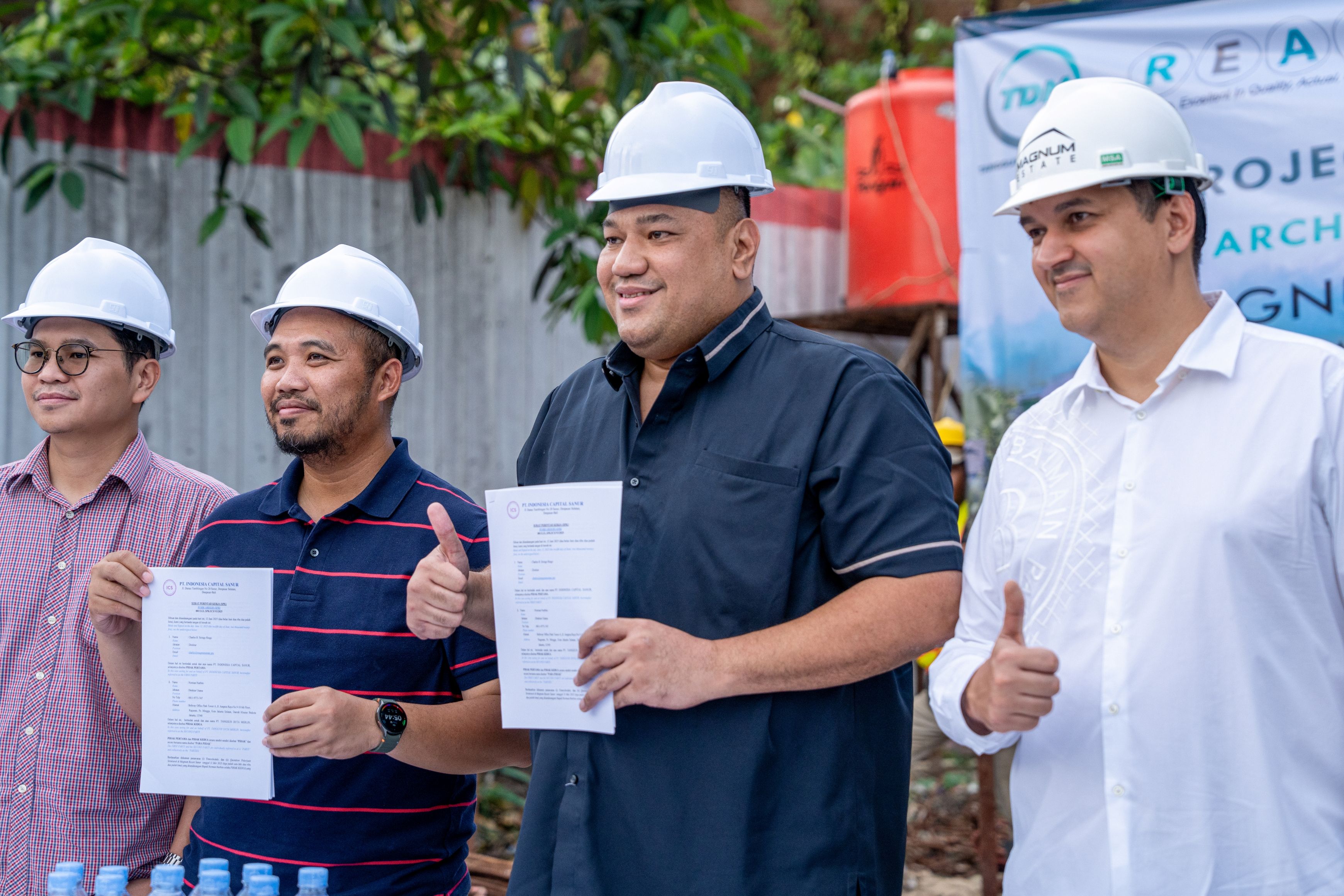
Magnum Estate has publicly positioned itself on the side of regulators and transparency. Media coverage and company statements highlight: megapolitan.antaranews
- Major projects like Magnum Resort Sanur went through a full AMDAL process and provincial review, with the Governor issuing environmental approval before long‑term development proceeds. walhibali
- In complex cases like The Umalas Signature, Magnum Estate has resolved disputes via court processes and public press releases, rather than informal deals, clarifying corporate control and legal structures so investors can see exactly who owns what. antaranews
- The founders have repeatedly stressed that Bali is entering a “data‑driven, legality‑driven” phase and that the only sustainable strategy is to build fully compliant, documented projects that can survive audits and regulatory changes. linkedin
That philosophy underpins Magnum’s recommendation: if you want to know how to avoid Bali real estate scams and risky projects, begin by working only with developers and advisors who are comfortable publishing their permits, contracts and legal positions in the open.
FAQs: Avoiding Bali Real Estate Scams and Risky Projects
Q1: Are nominee arrangements for Bali property really illegal now?
Yes. Reported by legal advisers and local media, Bali’s Perda No. 4/2026 explicitly targets nominee-based land ownership and empowers authorities to impose fines, demolish illegal structures and pursue criminal sanctions; nominee deals were always void under national agrarian law, but 2026 made enforcement sharper and more explicit.
Q2: What are the biggest red flags of a Bali real estate scam?
Top red flags listed by specialist agencies include nominee “freehold” in a local’s name, villas on agricultural or Green Zone land marketed as “convertible later”, off‑plan projects without PBG/AMDAL, promises of 20–30% guaranteed ROI with no data, and agents who refuse to involve independent notaries or lawyers.
Q3: How can I check if a project is properly licensed?
Ask to see zoning (ITR/KKPR), land certificates, PBG/IMB, SLF, environmental approvals where required, and, for nightly rentals, the tourism and operational licences; independent foreign‑buyer guides emphasise verifying these documents with a Notaris (PPAT) and, ideally, cross‑checking them with local authorities.
Q4: What ROI should I expect from a legal, well‑run property in Bali?
2026 investment guides that aggregate data across multiple areas suggest realistic net yields of around 6–10%, with 7–12% achievable in well‑positioned and properly managed assets; higher numbers are possible in niche or prime projects, but any long‑term “guarantee” far above this range deserves deep scrutiny.
Q5: How does working with a professional developer reduce my risk?
Professional developers operate through licensed companies, build in legally zoned areas, obtain AMDAL and PBG where required, and can show completed projects and documented legal structures; analysts note that as Bali tightens rules, institutional‑style, fully compliant projects will hold value, while informal deals face rising enforcement and exit risk.
Q6: Where can I learn more about investing safely with Magnum Estate?
Magnum Estate publishes detailed guides on investor mistakes, legal structures and best areas—starting with
Bali Property Investor Mistakes 2026 and its 2026 playbook for foreign investors; on magnumestate.com, along with full project documentation on magnumestate.com/projects.