





Written by Stanislav Sadovnikov, Founder, Magnum Estate ·
Reviewed by Magnum Estate operations desk ·
Last updated 14 July 2026
What is Sanur, and is it right for you?
Sanur is Bali’s calm side: a sunrise-facing beach town on the island’s southeast coast, built around a five-kilometre paved beachfront path, reef-sheltered water and an easy, unhurried rhythm. In 2026 it is where families, retirees and longer-stay residents settle when Canggu feels like too much, and where Bali’s new international hospital cluster is quietly changing the map.
- Come here for: the safest swimming beaches in south Bali, walkable evenings, a genuine local-plus-expat community.
- Think twice if: you came for surf and nightlife. The reef kills the waves and the town sleeps early; that crowd belongs in Canggu or Uluwatu.
- Budget anchor: a one-bedroom rents for USD 600-1,100 a month, roughly a quarter below Canggu.
Sanur micro-areas at a glance, 2026
| Micro-area | Feels like | Best for | 2-3BR villa rent (USD/mo) |
|---|---|---|---|
| Sindhu / beachfront core | Promenade cafes, morning swimmers | First stays, retirees | 1,400-2,200 |
| Sanur Kaja (north) | Quieter lanes, local warungs | Long-term residents | 1,100-1,800 |
| Semawang / Mertasari (south) | Wide beach, kite spot, resorts | Families, water-sports fans | 1,200-2,000 |
| Sanur Kauh (west of bypass) | Local living, more space per dollar | Budget-conscious settlers | 1,000-1,600 |
The rhythm: mornings on the promenade, evenings that end early
Sanur runs on a different clock from the island’s west coast. The day starts at sunrise, when the promenade fills with joggers, cyclists and swimmers doing laps inside the reef. By mid-morning the beachfront cafes are full; by ten at night the town is largely done. If Canggu is a feed of openings and DJ sets, Sanur is the neighbourhood where the barista knows your order by Thursday.
That rhythm is exactly why it works for two groups. Families get calm, shallow, lifeguard-friendly water and international schools within a short drive. Retirees and remote workers on long stays get walkability that almost nowhere else in Bali offers: dinner, groceries, a massage and the beach without touching a scooter.
Beaches: swimming water, not surf
Sanur’s reef keeps the lagoon flat, which means real swimming at high tide, safe paddling for kids and glassy water for stand-up paddle and kitesurfing at Mertasari in the windy season. The trade-off is honest: this is not a surf town. The black-sand drama of the west coast is also absent; expect golden sand, calm mornings and Mount Agung on the horizon on clear days.
Eating and daily life
The beachfront path is lined with warungs where lunch still costs USD 2-4, mixed with a growing set of specialty cafes and long-standing expat restaurants. Prices sit noticeably below Canggu for comparable quality. Practicalities are easy: two large supermarkets, the bypass road for quick runs to Denpasar, and the Bali Mandara toll direct to the airport, about thirty minutes off-peak. The new international hospital cluster in Sanur’s special economic zone is already lifting the area’s medical standard, and with it, long-stay demand.
For the island-wide budget picture, from rent to schools and visas, see our Bali cost of living guide.
The honest downsides
Nightlife is minimal and the dining scene, while solid, is a step behind Canggu's. The beach disappears to a narrow strip at high tide in places, and low tide pulls the lagoon far out. And Sanur's calm is no secret anymore: the hospital zone and new resorts are pushing land and rental prices up, so the "sleepy village" discount shrinks every year.
Living practicalities
Rents in 2026 run USD 300-550 for a room, USD 600-1,100 for a one-bedroom and USD 1,100-2,200 for a two-to-three-bedroom villa, with annual contracts 20-40% below monthly rates. Traffic is milder than the west coast but the bypass clogs at rush hour. The expat community skews older and quieter than Canggu’s, with a strong long-term core that has been here for decades, which makes it unusually easy to build a real routine: same faces at the morning swim, standing dinner spots, community events at the beach parks.
Area-by-area purchase prices across the island are in our Bali property prices guide.
The investment angle, briefly
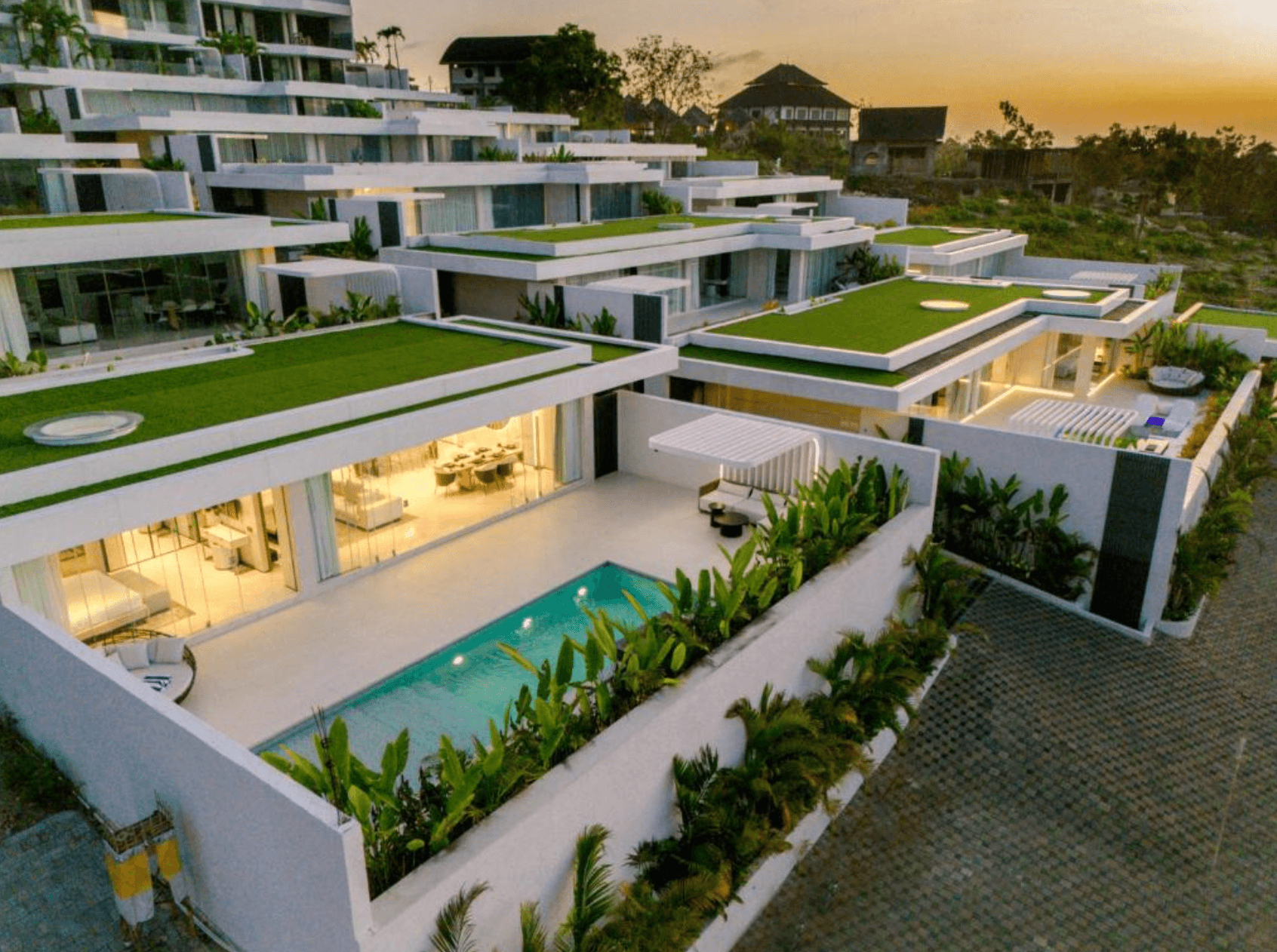
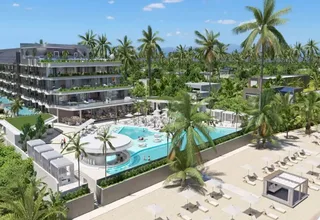
Sanur’s buyer case is stability: land is scarce (the town is hemmed between the bypass and the sea), demand is being structurally lifted by the medical-tourism zone, and the tenant profile is long-stay rather than party-weekend. Magnum Residence Sanur enters at USD 531,000 with a projected rental yield of 11.6% under professional management; treat that as a projection and model the net figure after fees and taxes. The full demand picture is in our Sanur property investment guide, and current listings are on the Sanur villas for sale page.

"Sanur in 2026 is Bali with the volume turned down: sunrise swims, a walkable seafront and a community that stays, best for families, retirees and anyone whose ideal evening ends before midnight."
The one-line takeaway
Methodology and sources
Rent ranges are indicative mid-2026 figures, aggregated from live long-term listings across Sanur’s micro-areas plus Magnum Estate’s rental-operations desk, converted at ~IDR 16,000 per USD. Sanur’s health-tourism district holds special-economic-zone status under Indonesia’s national SEZ programme.
Common questions
Is Sanur worth visiting in 2026?
Yes, if calm is the point: safe swimming inside the reef, a five-kilometre beachfront path and honest prices. Travellers chasing surf, beach clubs and nightlife will find Sanur quiet; that energy lives in Canggu, Seminyak and Uluwatu.
Is Sanur better for families than Canggu?
For most families, yes. The lagoon is shallow and calm, the promenade is stroller-friendly, traffic is gentler and international schools are a short drive away. Canggu wins on cafes and social scene, Sanur wins on day-to-day ease with kids.
How expensive is Sanur?
Noticeably cheaper than Canggu in 2026: rooms at USD 300-550 a month, one-bedrooms at USD 600-1,100 and two-to-three-bedroom villas at USD 1,100-2,200. Warung meals still cost USD 2-4.
Can you swim at Sanur beach?
Yes, and that is Sanur’s speciality: the offshore reef shelters the lagoon, so high-tide swimming is calm and safe. At low tide the water retreats far out, so plan around the tide chart.
Is Sanur a good place to buy property?
The case rests on scarcity and stable long-stay demand, now reinforced by the international hospital zone. Projected yields on professionally managed new builds reach 11.6% at Magnum Residence Sanur; read the dedicated investment guide and model net returns before deciding.
About the author
Stanislav Sadovnikov is the founder of Magnum Estate (PT Magnum Estate International), an award-winning full-cycle Bali real estate developer with 8 projects and 575 units since 2019 (Berawa, Sanur, Umalas, Sky Stars, Sky Royal). He writes about Bali pricing, yields, ownership rules and regulation for international buyers.