





Written by Stanislav Sadovnikov, Founder, Magnum Estate ·
Reviewed by Magnum Estate legal & investment desk ·
Last updated 3 June 2026
"4 zones Family-favourite areas near schools · $250-900k 3-4BR family villa (Ubud, Uluwatu) · 10-18% Gross yield, prime family areas · 6.95M 2025 foreign arrivals (+9.7%)"
Key figures (2026)
Bali family friendly villas 2026: summary
Bali family friendly villas 2026, the short answer: for expat and mixed-nationality families, the best buys cluster around international schools, not just nice pools. The four strongest school-proximate zones are Sanur, Umalas, the Berawa/Canggu corridor and the Ubud fringe, each balancing a short school run with kid-safe layouts, calm streets and deep long-term rental demand.
- Calmest for young kids: Sanur, flat, walkable, established schools, gentle beaches.
- Quiet but central: Umalas, leafy, low-traffic, minutes from Canggu campuses.
- Deepest demand: Berawa/Canggu, Canggu Community School + year-round family rentals.
- Nature & alternative schooling: Ubud fringe, Green School, wellness, long-stay tenants.
- Typical family villa: 3-4BR runs ~$250-500k (Ubud) up to ~$500-900k (ocean-view Uluwatu).
- Why it pays: family tenants sign longer leases and turn over less, stable occupancy.

"Transparency: Magnum Estate develops property in Bali, so we have a commercial interest. This guide is educational, not investment or legal advice, verify figures and school catchments independently and consult a certified Indonesian notary (PPAT) and tax advisor before buying."
Transparency
This Bali family friendly villas 2026 guide is written for buyers and renters with kids, not for short-stay tourists. The winning family villa in 2026 is the one that balances school access, kid-safe layouts, calm neighbourhoods and realistic ROI. The spread of international schools and better healthcare is a key reason Bali now attracts long-stay expat families rather than only holidaymakers, and that turns school-proximate pockets into defensive markets with deep rental demand. Below is the map, area by area, with prices, a layout checklist and the rental-yield reality behind the headlines.
Why schools now drive Bali family property demand
Local agencies and relocation advisers consistently report the same pattern: the growth of international schools, Green School and the Canggu corridor campuses, the Australian Intercultural School (AIS), Canggu Community School and established Sanur schools, has become a primary magnet for families choosing where to live in Bali. Parents anchor the decision on the school commute first, then build daily life around it. Villas a short drive from a campus enjoy more consistent mid-to-long-term occupancy because families avoid long commutes and children stay close to classmates. Bali drew 6,948,754 foreign visitors in 2025, up 9.72% year-on-year, but the family segment behaves differently from tourism: it signs annual leases, not nightly stays, which is exactly what makes these areas more resilient across cycles. For the wider price and demand picture, see our Bali property prices 2026 guide and best areas to buy in Bali 2026.
Best areas for family-friendly villas in Bali 2026
Different zones suit different ages, budgets and school choices. The four below are the school-proximate pockets families gravitate to in 2026:
| Area | Schools nearby (illustrative) | Family fit | Land $/m² |
|---|---|---|---|
| Sanur & East Denpasar | Established Sanur international schools | Calm, flat, walkable; best for young kids & cycling | ~$250-750 |
| Umalas | Near Canggu/Seminyak campuses | Quiet, leafy, central; low traffic, premium | ~$900-1,900 |
| Berawa / Canggu | Canggu Community School, kindergartens | Deepest demand; cafés, beaches, year-round rentals | ~$530-1,560 |
| Ubud fringe | Green School & alternative education | Nature, wellness, long-stay; low volatility | ~$250-750 |
| Land $/m² ranges reconciled to the canonical Bali 2026 dataset (Paradyse Homes 2026, AirDNA-benchmarked; COCO 2026), per m² from per-are at ~IDR 16,000/USD. Umalas grouped with the Seminyak premium strip. School names are illustrative magnets, not catchment guarantees. |
Two more south-coast options round out the picture: Nusa Dua and the Bukit offer secure, master-planned and gated environments with hospitals and malls nearby, increasingly family-friendly as roads and services improve. For that coast, see our guide to buying a villa in the Bukit.
The takeaway: for the same budget you secure far more land and garden in Sanur or the Ubud fringe than in Umalas or central Canggu, and for a full-time family, garden space and a short school run often beat a beach address. Compare the two coasts in Canggu vs Uluwatu and read the calm east-coast case in our Sanur property investment guide.
What family villas cost by area in 2026
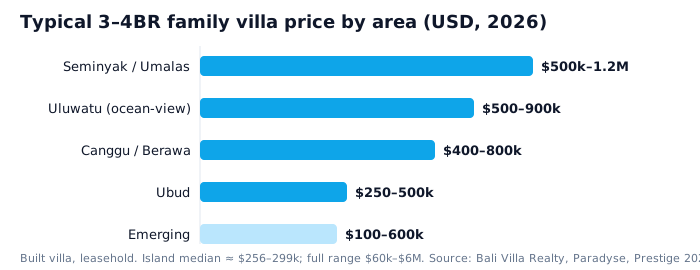
Family buyers usually want 3-4 bedrooms, an enclosed garden and a kid-safe pool, which sits at the larger end of each area’s range. Typical built, leasehold prices in 2026, reconciled to our canonical dataset, with Sanur in the calmer mid band, are:
| Area | Typical family villa price | Gross yield | Family profile |
|---|---|---|---|
| Seminyak / Umalas | $500k, 1.2M | 10-14% | Quiet (Umalas), premium; best exit liquidity |
| Uluwatu / Bukit | $500-900k (3-4BR ocean view) | 10-16% | Space & views; gated compounds, improving roads |
| Canggu / Berawa | $400-800k | 12-18% | Deepest demand; closest to Canggu campuses |
| Sanur | $300-600k | 8-12% | Calmest east coast; flat, walkable, defensive |
| Ubud fringe | $250-500k | 10-15% | Nature, Green School, low volatility, long-stay |
| Build cost adds ~USD 1,000-1,800/m² for an investment-grade villa. Island median ≈ $256-299k; full range $60k, $6M. Sanur framed in the calmer 8-12% gross band per market sources. Full price map: see our Bali property prices 2026 guide. |
Family villas built around real daily life
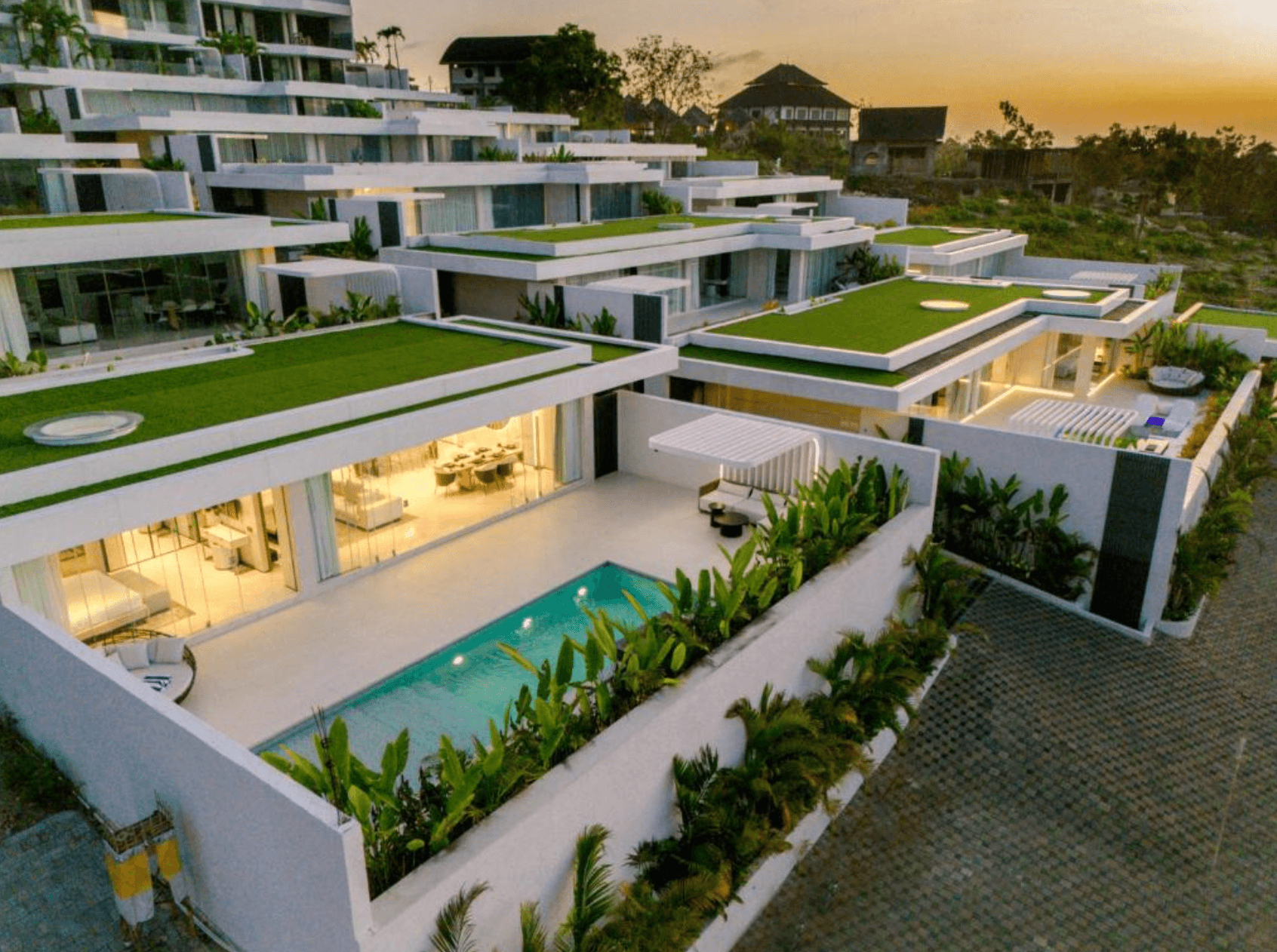
See Magnum Estate’s Sanur, Umalas and Berawa developments, calm streets, gated security and layouts that work for families, not just photos.
View Magnum projects
Book a free consultation
What to look for in a family-friendly villa (layout, safety, daily life)
Specialist family-villa operators and family-travel guides agree on the essentials. Treat this as a walk-through checklist:
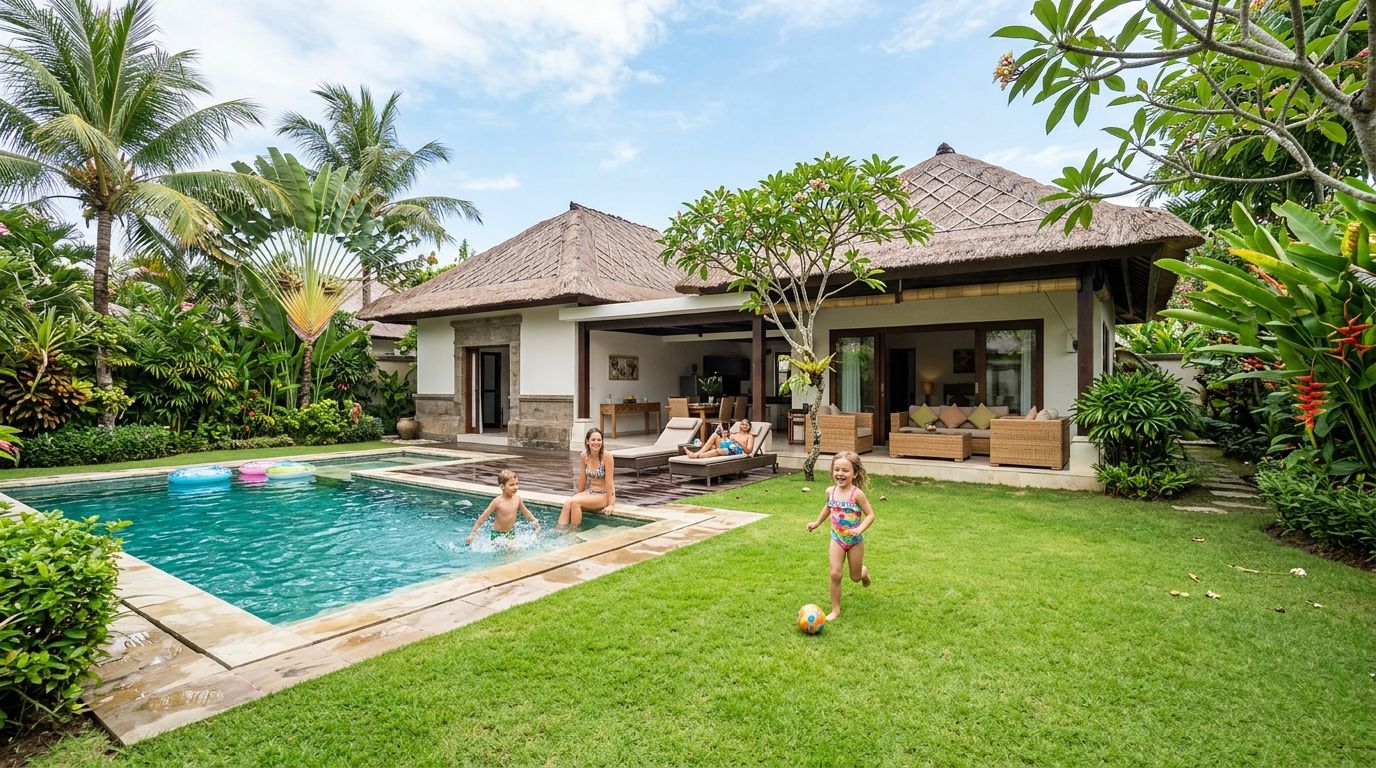
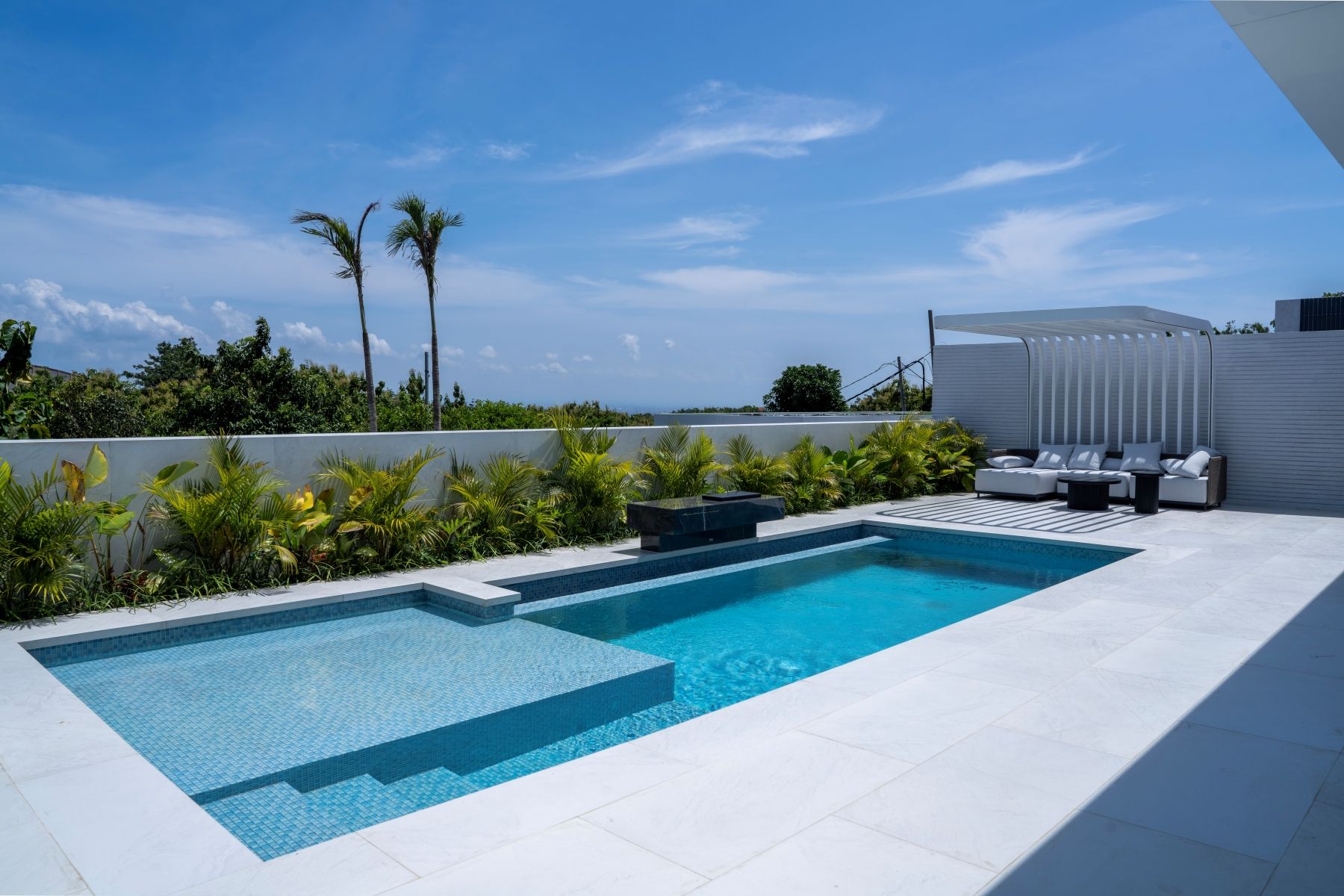
- Kid-safe pool & outdoor space: pool fencing, a shallow zone, steps instead of sudden drops, and an enclosed garden with secure boundaries.
- Flexible bedrooms: multiple bedrooms on one level for younger children, optional twin/bunk rooms, and at least one parent “retreat”.
- Supervisable living areas: open living that overlooks the pool and garden so adults can relax while keeping an eye on kids.
- Proximity to daily-life assets: supermarkets, playgrounds, clinics, cafés with play corners, and safe walking/cycling routes.
- Structure for the long haul: good waterproofing, correct electrics, effective drainage and durable materials that survive heavy, kid-intensive use over 10-20 years.
The last point is where buyers lose money quietly: a villa held 10-20 years for a family needs build quality, not just styling. Pressure-test construction with our premium real estate construction checklist and the layout/ROI trade-offs in our villa layout & ROI guide.
Family rental demand: gross vs net
Family-oriented areas trade short-stay churn for longer leases and lower turnover, which is precisely why they hold up across cycles. But the “10-18% yield” you’ll see quoted is almost always
gross, annual rent ÷ price, before costs. What you actually keep is the net
yield, after management, tax, maintenance and vacancy:
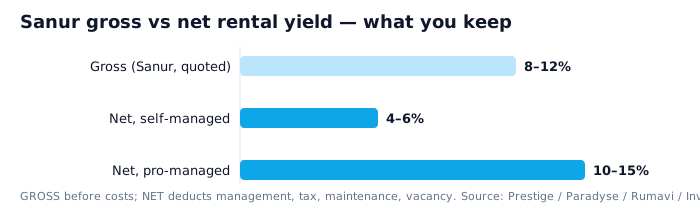
For a family villa the operating mix differs from a party-area short-let: annual family tenants mean lower cleaning and OTA churn, but you trade some peak nightly upside. Net yields still land at roughly 4-6% self-managed or 10-15% professionally managed once costs are deducted, the gap is operations. See how holding costs and management drive the net number in our taxes & holding costs guide and our long-term vs short-term rental strategy.
Limitations & suitability
Family villas near schools are not for everyone. They suit buyers who value stable, long-lease occupancy and lifestyle over chasing peak nightly rates. If your goal is maximum short-stay yield, a party-corridor villa may out-earn a quiet family street on gross. School “proximity” is also fluid: catchments, campus locations and traffic change, so verify the actual commute before you commit. Land titling, zoning and lease terms vary parcel by parcel, a calm residential pocket can still carry zoning or access constraints. Treat the figures here as indicative 2026 ranges, not a valuation.
Methodology & sources
Figures are indicative 2026 ranges, reconciled across multiple market datasets and converted at ~IDR 16,000/USD. Land prices are stated per m² (from per-are data, 1 are = 100 m²). Gross yields are rent ÷ price before costs; net yields deduct management, tax, maintenance and vacancy. School names are cited as illustrative relocation magnets, not catchment or admission guarantees, confirm campus locations and the real commute. Always commission an independent appraisal and notary (PPAT) due diligence before purchase.
Conclusion
In 2026, the best Bali family friendly villas are chosen school-first: anchor on the campus, then pick the area that pairs a short commute with kid-safe space and a realistic net yield. Sanur and the Ubud fringe buy you calm and garden; Umalas buys quiet at a central premium; Berawa/Canggu buys the deepest rental demand. Verify the commute, the title and the build quality, then the lifestyle and the returns follow.
See family-ready homes in calm, school-proximate areas
Explore Magnum Estate’s Sanur and Umalas residences and the Berawa development, transparent pricing, gated security and family-first layouts.
Sanur
Umalas, Sky Royal
Berawa
FAQ: Bali family friendly villas 2026
Which Bali areas are best for families with school-age kids?
Sanur, Umalas, the Berawa/Canggu corridor and the Ubud fringe rank highest because they sit close to major international schools and family amenities, with short commutes and deep long-term rental demand.
How much does a family villa cost in Bali in 2026?
A 3-4BR family villa runs ~$250-500k in Ubud, $300-600k in Sanur, $400-800k in Canggu/Berawa, $500-900k for ocean-view Uluwatu and $500k, 1.2M in Seminyak/Umalas, leasehold. Island median ≈ $256-299k.
What makes a villa truly family friendly?
Kid-safe pools (fencing, shallow zones, steps not drops), an enclosed garden, multiple bedrooms on one level, supervisable living areas, and proximity to schools, clinics and safe walking routes, plus solid structure for a long hold.
Are family villas a good investment or just a lifestyle buy?
Both, school and hospital proximity is a structural demand driver. Family tenants take longer leases with lower turnover, supporting stable occupancy. Gross runs ~10-18%; net ~4-6% self-managed or ~10-15% pro-managed.
Should I prioritise the beach or schools?
For full-time families, prioritise the school commute and daily-life assets first; treat beach access as a bonus. Sanur and Berawa/Canggu can offer both.
Where can I see example projects that suit families?
Magnum Estate’s villa and apartment projects include family-suited units in Sanur, Umalas (Sky Royal) and Berawa, calm, gated, infrastructure-rich locations.
Is Bali safe for raising a family?
Bali is broadly safe for families; the main practical concerns are traffic, water safety and choosing a calm neighbourhood, see our note on whether Bali is safe to live and invest.
References & official sources
- BPS, Statistics Indonesia / Bali: 2025 foreign arrivals (6,948,754, +9.72%), occupancy, bali.bps.go.id
- Bank Indonesia, Residential Property Price Index: official price-growth data & IDR/USD, bi.go.id
- DJP / Ministry of Finance: PBB & rental-income taxes, pajak.go.id
- ATR/BPN: land titles & zoning, atrbpn.go.id
- Market data (2026): Bali Villa Realty price guide; Paradyse Homes price-per-are study (AirDNA-benchmarked); Prestige Property Bali area/yield analysis; InvestLandBali market report; Seven Stones Indonesia & Pellago relocation/“villas near schools” reports.
- Magnum Estate portfolio data (net yields & family occupancy by project).
About the author
Stanislav Sadovnikov is the founder of Magnum Estate (PT Magnum Estate International), an award-winning full-cycle Bali real estate developer with 8 projects and 575 units since 2019 (Berawa, Sanur, Umalas, Sky Stars, Sky Royal). He writes about Bali pricing, yields, ownership rules and regulation for international buyers.